Small to Medium FBO Networks: The Reality Check for 2025-2026
Published on October 22, 2025 • 5 min read

You're running three to seven FBOs across the region. Your margins are thinner than they were three years ago. Fuel profits aren't what they used to be. And every quarter, you're watching another regional network get acquired by Signature or Atlantic.
Sound familiar?
If you manage a small to medium FBO network in 2025, you're living through the most significant operational shift since deregulation. Here's what's actually happening—and what smart operators are doing about it.
The Consolidation Wave Isn't Slowing Down
The big guys are getting bigger, and it's not subtle. Major FBO chains expanded their footprints by 22% between 2022 and 2024, and they're not done. When Signature or Atlantic comes calling with an acquisition offer, they're betting you're tired of fighting the margin squeeze.
But here's the thing most people miss: consolidation creates opportunity for networks that stay independent. When a major chain acquires your competitor down the taxiway, their service quality typically drops for 6-18 months during integration. Their pricing goes up. And suddenly, your value proposition as the local expert gets a lot more compelling.
The play: Double down on what makes you different. If you're competing on fuel price alone, you're already dead—you just don't know it yet.
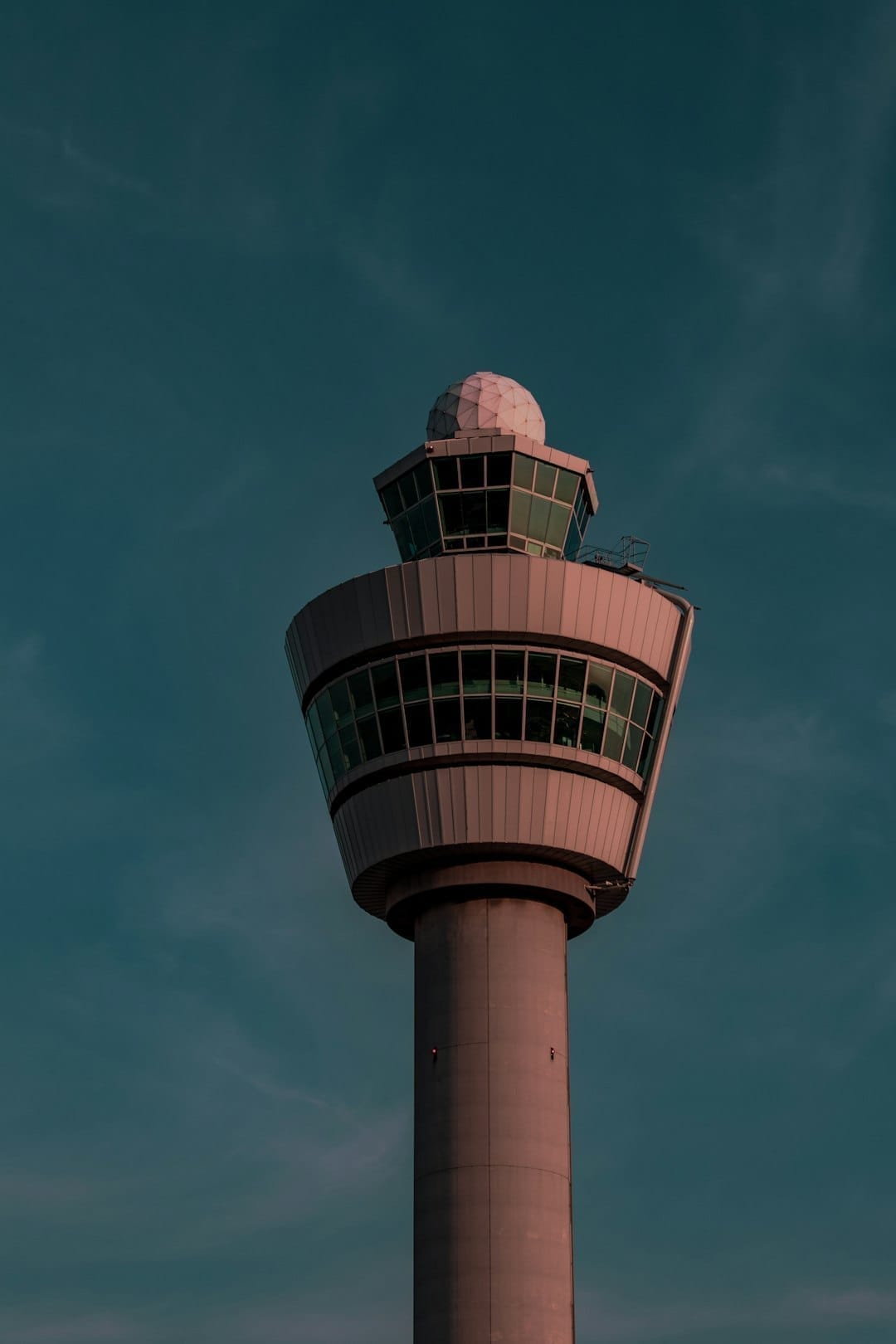
 Small to medium FBO networks face increasing pressure from major chains, but local expertise remains a differentiator
See how many aircraft fit in your hangar
AirPlx calculates optimized 3D stacking layouts for your exact hangar dimensions.
Run a free layout simulationThe Technology Gap
Here's an uncomfortable truth: while you're still using whiteboards and Excel for aircraft positioning, your customers are comparing you to the apps they use to order coffee.
The average small FBO network operates with systems that haven't fundamentally changed since 2010. Meanwhile:
- Customer expectations have evolved past "friendly service" to "real-time updates and seamless booking"
- Your line staff are spending 40% of their time on manual coordination that should be automated
- Training new employees takes 8-12 weeks because institutional knowledge lives in people's heads, not in systems
One GM at a five-location network in the Midwest did the math: his operations team collectively spent 47 hours per week just coordinating aircraft movements and hangar space across locations. That's more than one full-time salary burned on logistics that software could handle.
The reality: You don't need enterprise software. You need the right software. Systems built for 100-location chains are overkill. But continuing with spreadsheets and tribal knowledge isn't a strategy—it's denial. Learn about hangar optimization best practices, 3D aircraft stacking, and aviation industry trends. Calculate your ROI on technology investments.
Fuel Margins: The Profit Center That Isn't Anymore
Remember when fuel was 70% of your revenue and you didn't have to think too hard about the rest? Those days are over.
Average fuel margins at regional FBOs dropped from $1.85 per gallon in 2019 to around $1.20 in 2024. Some markets are seeing margins under $1.00. If your business model still assumes healthy fuel profits will cover operational inefficiencies elsewhere, you're playing with borrowed time.
Smart networks are treating fuel as table stakes—necessary but not sufficient. They're focusing on:
- Hangar revenue optimization: Charging premium rates for premium service, not just square footage
- Ramp efficiency: Turning aircraft faster to increase throughput without adding capacity
- Service bundling: Making it easier for customers to say yes to multiple services
One three-location operation in the Southeast restructured their pricing to bundle ramp, hangar, and concierge services. Their average revenue per visit jumped 34% within six months, even though fuel gallons stayed flat.
 Technology adoption separates thriving FBO networks from those barely surviving
The Staffing Challenge
Let's be blunt: you can't hire your way out of this problem. The labor market for experienced line service techs is broken, and it's not fixing itself in 2026.
The numbers are brutal:
- Turnover rates at small FBOs average 65-90% annually
- Training costs per employee run $15,000-$25,000 when you factor in supervision time and productivity loss
- The talent pool is shrinking as Amazon, UPS, and other logistics companies poach workers with better pay and climate-controlled environments
But here's where most operators get it wrong: they assume the solution is higher wages. It's not. (Though you do need to be competitive.)
The networks that are winning on talent focus on three things:
- Faster onboarding: Using visual systems and better training tools to cut ramp-ready time from 10 weeks to 6 weeks
- Reduced complexity: Simplifying operations so new hires can be productive faster
- Career paths: Showing people where they can go, not just where they are
A four-location network in Texas implemented visual aircraft positioning software across all sites. Their training time dropped by 40%, and their 12-month retention improved from 28% to 51%. Same labor market, same pay rates—different systems.
What 2026 Looks Like: Three Scenarios
Scenario 1: The Acquisition Target You keep running the same playbook. Margins compress further. A major chain makes an offer. You take it because you're tired.
Scenario 2: The Survival Specialist You find a niche—ultra-high-touch service, specific aircraft types, regional dominance—and defend it ruthlessly. You survive, but you don't grow much.
Scenario 3: The Efficiency Winner You invest in operational technology that makes your network run like one coordinated operation instead of five separate FBOs. You cut training time, improve margins on non-fuel services, and build a business that throws off real cash flow.
Most operators end up in Scenario 1 or 2. The difference between surviving and thriving is choosing Scenario 3.
The Moves That Matter in the Next 12 Months
If you're running a small to medium FBO network and you want to be in control of your future, here's what separates winners from casualties:
1. Treat Your Network Like a Network
Stop running five separate FBOs. Start running one operation across five locations. That means:
- Unified systems for scheduling, aircraft positioning, and customer management
- Standardized processes that travel across locations
- Shared best practices that don't die when your best GM leaves
2. Automate What Drains You
Identify the 20% of tasks consuming 80% of coordination time. For most networks, that's aircraft movement planning, hangar space optimization, and cross-location communication. These are exactly the problems software should solve.
3. Build Pricing Power
Stop competing on fuel price. Start competing on speed, reliability, and service quality. Bundle services. Create premium tiers. Make it easy for customers to spend more because they're getting more.
4. Measure What Matters
If you don't know your revenue per square foot of hangar space, your average turn time, and your labor cost per aircraft movement, you're flying blind. Pick three metrics, track them religiously, and improve them systematically.
The FBO networks that thrive in 2026 will be those that treat operations as a system, not a collection of individual locations
The Bottom Line
Small to medium FBO networks face real challenges in 2025-2026: consolidation pressure, margin compression, staffing nightmares, and technology gaps. But these challenges aren't existential—they're strategic.
The operators who survive aren't the ones with the most fuel volume or the newest facilities. They're the ones who run tight operations, leverage technology intelligently, and build businesses that don't depend on hero employees working 70-hour weeks.
You've got a choice: optimize for acquisition (fine), find a niche and defend it (also fine), or build a network that actually runs like one and throws off cash (best).
The window for making that choice is closing. By mid-2026, the operators who waited too long will be facing offers they can't refuse because they didn't build businesses they could control.
Which scenario are you building toward?
Ready to see how operational technology transforms multi-location FBO networks?
Explore More
Related Articles


Start AutoStacking
See how AirPlx plans, parks, and predicts your ramp moves in one place
 Copyright 2024, AirPlx, Inc.