Top 10 July 4 Private Aviation Hot Spots to Watch
Published on June 25, 2026 • 7 min read
A record 72.2 million Americans are expected to travel 50 or more miles over the Independence Day stretch this year, according to AAA's July 4 forecast. Most of them drive. About 5.85 million fly commercial, and the TSA expects to screen nearly 18.7 million air travelers between June 30 and July 6, with the single busiest day landing on Thursday, July 2.
Those are airline numbers. They make headlines and they fill terminals. They are not your problem.
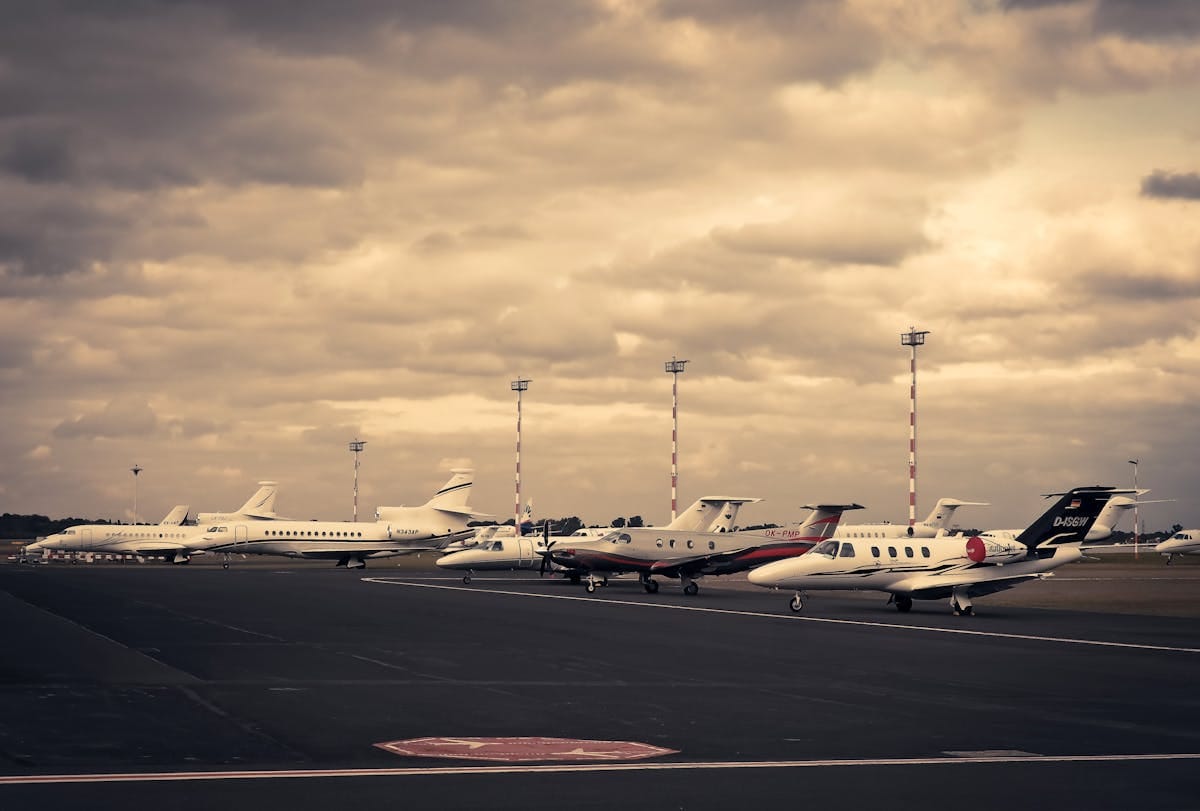
If you run an FBO or a GA field, the same demand wave shows up differently. It arrives as ramp gridlock, fuel draws that outrun your truck schedule, tow congestion, and parking that runs out before noon. Business aviation airports are a separate world from the airline hubs, and a fireworks weekend is one of their hardest operational stress tests of the year.
We are not calling these the "busiest" private aviation airports. We do not have movement counts for the holiday itself, and neither does anyone else yet. These are the ten places where the holiday demand and the ground-side constraints collide hardest. Watch them. And watch one more thing this year: the 2026 World Cup drops its knockout rounds onto the same weekend, stacking a second surge onto the metro bizav hubs. More on that after the list.
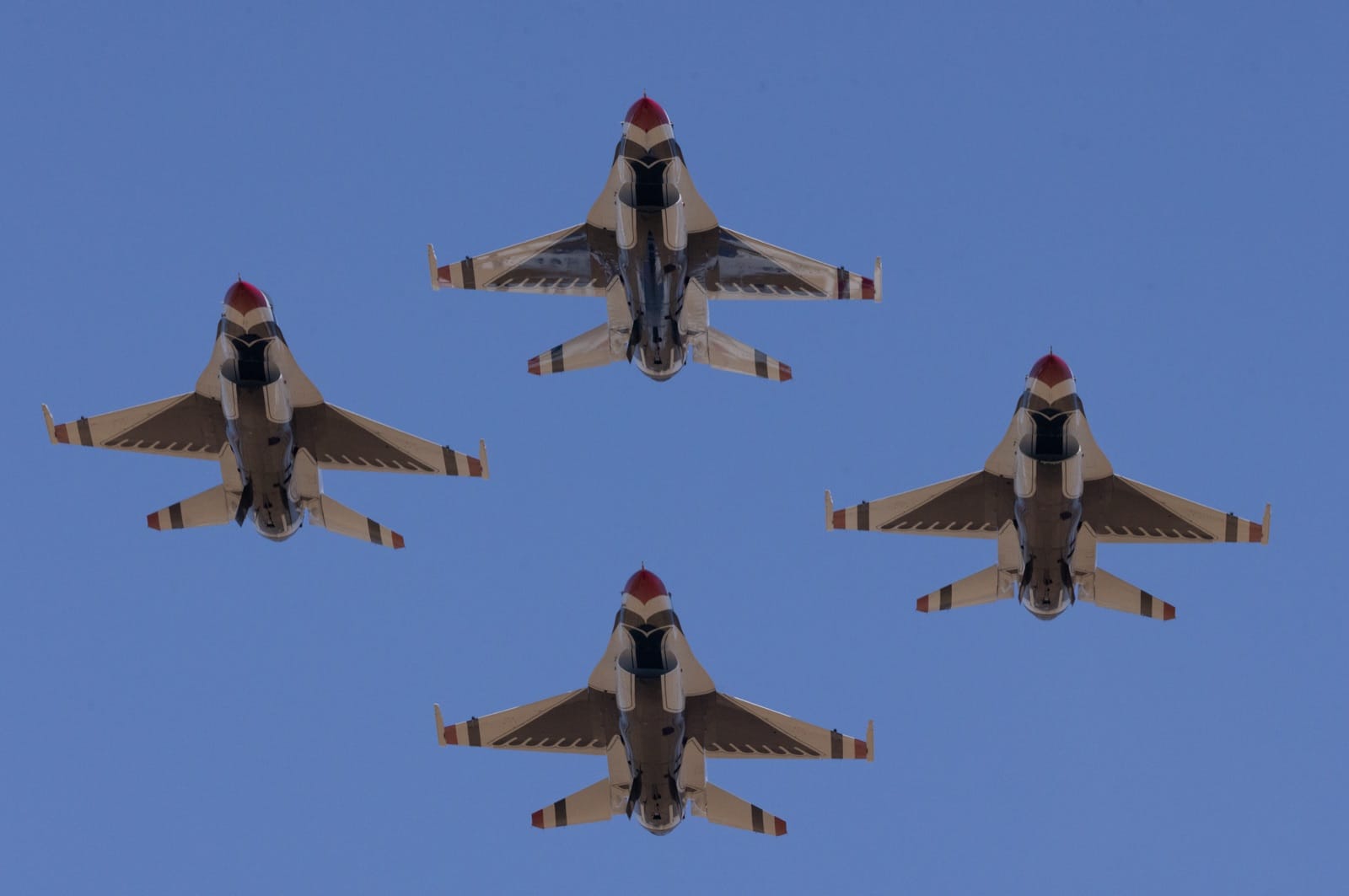
The flyover gets the applause. The ramp crews get the workload. Happy Fourth.
1. Nantucket, MA (ACK)
Why it gets busy: Nantucket is a premier summer resort island, and corporate aircraft are the single largest consumers of Jet-A at the field. Airport manager Noah Karberg described one recent pre-July-4 stretch as "probably the busiest 24-hour arrival period that we've ever had."
Why it gets tight: The real problem is aircraft size, not just count. The airport has been forced to issue transient ramp restrictions, cap fuel sales, and even close its smallest runway (15/33) to park overflow aircraft. Jet-A sales ran 24% above the prior year over one late-June stretch, and the field has run low on fuel. On the worst weekends, ramp space and fuel run short at the same time.
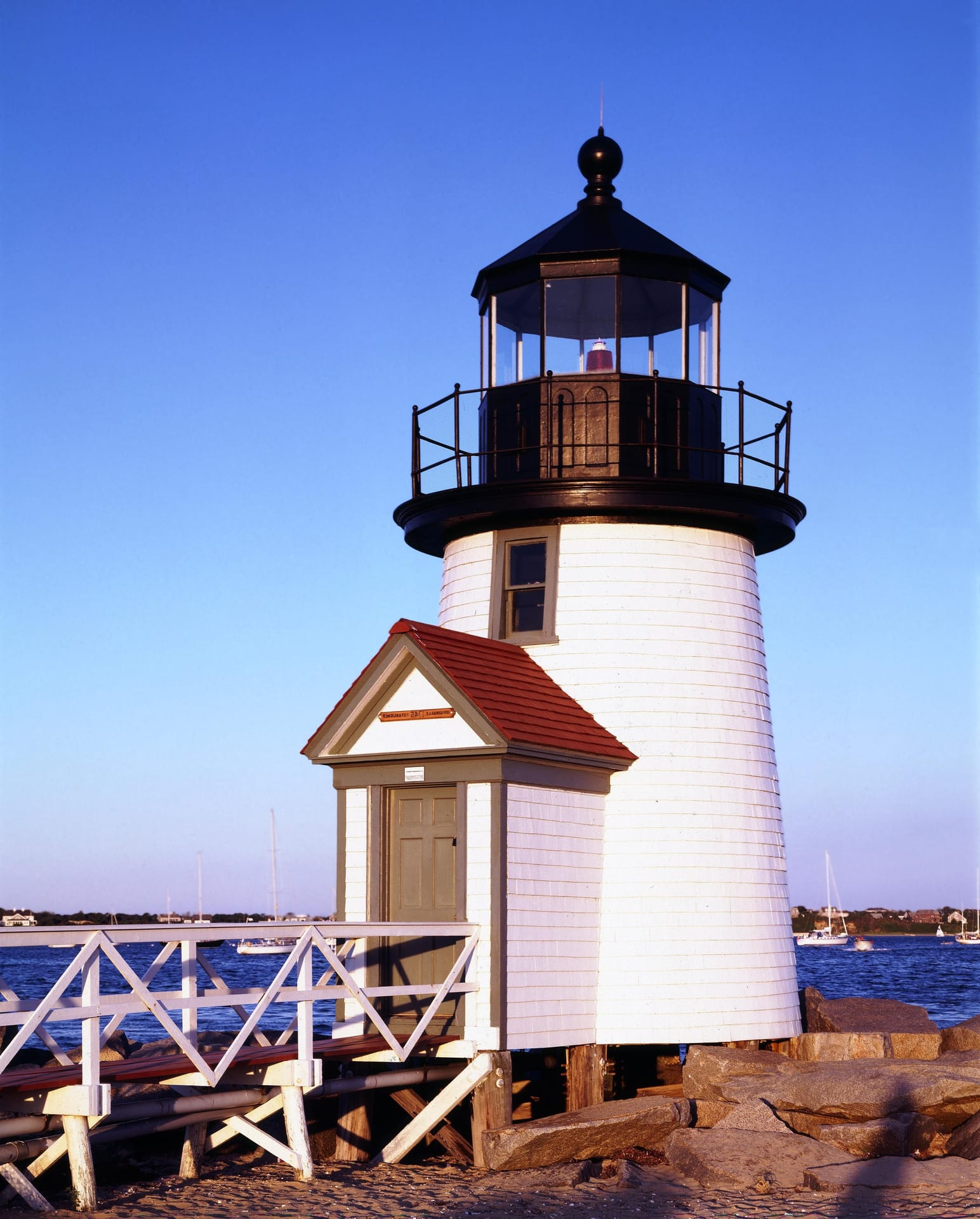
Nantucket fills its ramp before it fills its beaches.
See how many aircraft fit in your hangar
AirPlx calculates optimized 3D stacking layouts for your exact hangar dimensions.
Run a free layout simulation2. Martha's Vineyard, MA (MVY)
Why it gets busy: Island demand mirrors Nantucket. MVY is one of the busiest GA fields in New England all summer.
Why it gets tight: The ramp holds roughly 50 aircraft, but about 15 spots are reserved for commercial service, leaving only 35 or so for transient GA. That fills fast. A single high-demand weekend (the Obama 60th-birthday gathering is the classic example) crowded the tarmac and drained fuel supplies. Parking and fuel are the constraints here, and both go early.
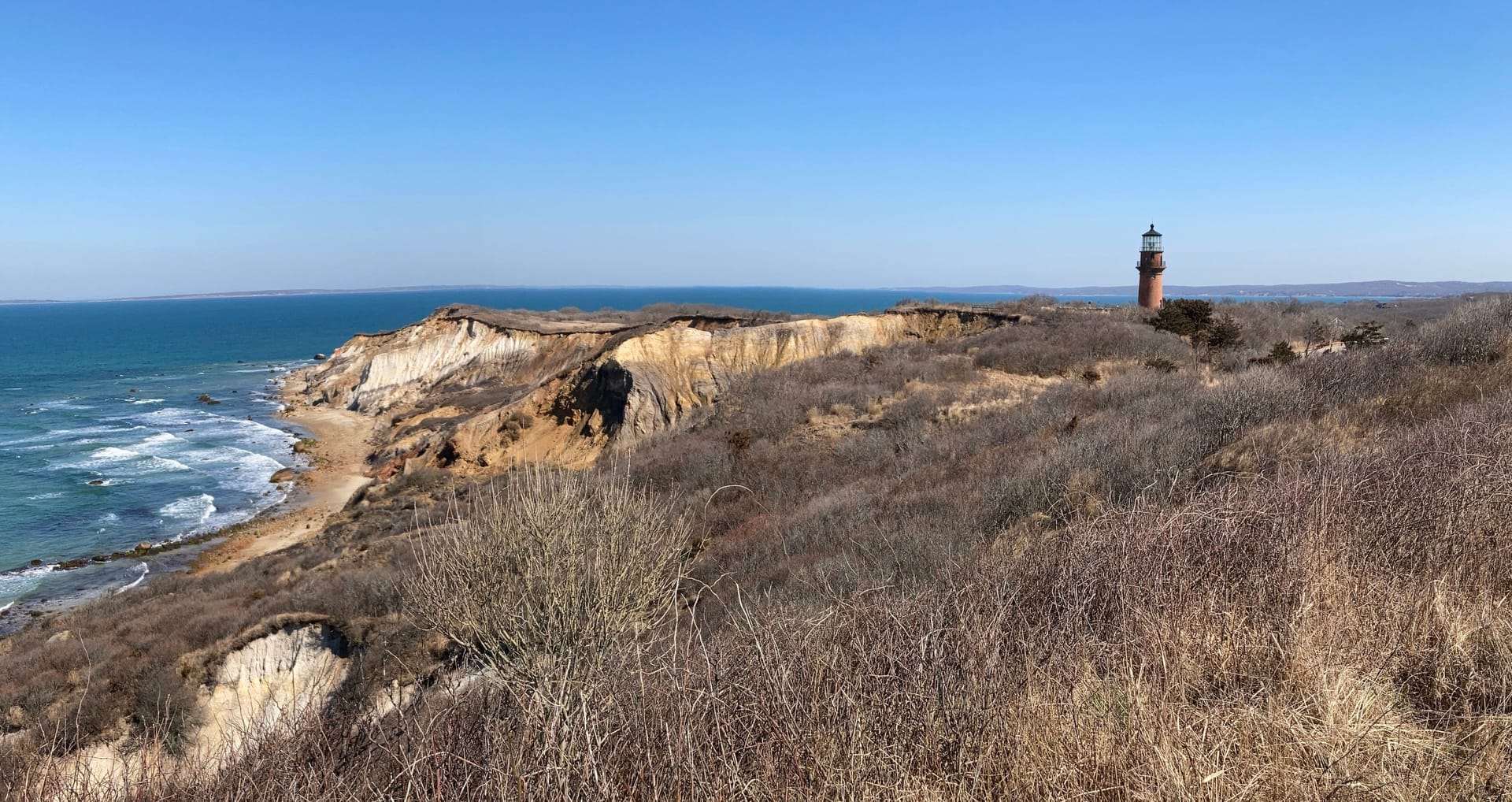
On the Vineyard, 35 transient spots vanish faster than the tide.
3. The Hamptons / East Hampton, NY (JPX)
Why it gets busy: East Hampton (JPX, the FAA identifier since 2022, still widely known by its former code HTO) runs about 30,000 operations a year, and the bulk of them land between May and September. August averages roughly 266 flights per day against about 33 per day in January.
Why it gets tight: The seasonal control tower only operates 8am to 8pm, and the field carries noise-abatement pressure, slot scrutiny, and a long legal history over access restrictions. Curfews, voluntary noise routes, and neighbors who watch every arrival are part of the deal. Tower hours and noise windows shape the day as much as slot availability does.

In the Hamptons, the arrival is the easy part. Finding a slot is not.
4. Aspen, CO (ASE)
Why it gets busy: Aspen logged 46,740 operations in 2025, and 33,113 of those were non-commercial. It is a private-jet magnet in summer, not just ski season.
Why it gets tight: The ramp is small. When it fills, the FBO declares "no more parking" but keeps about three spaces open for drop-and-go: land, deplane, depart, and return later for the passengers. Add a field elevation north of 7,800 feet, which hurts takeoff performance, and the holiday ramp becomes a multimillion-dollar parking puzzle. On a busy weekend, a good share of the fleet ends up repositioning off-airport.
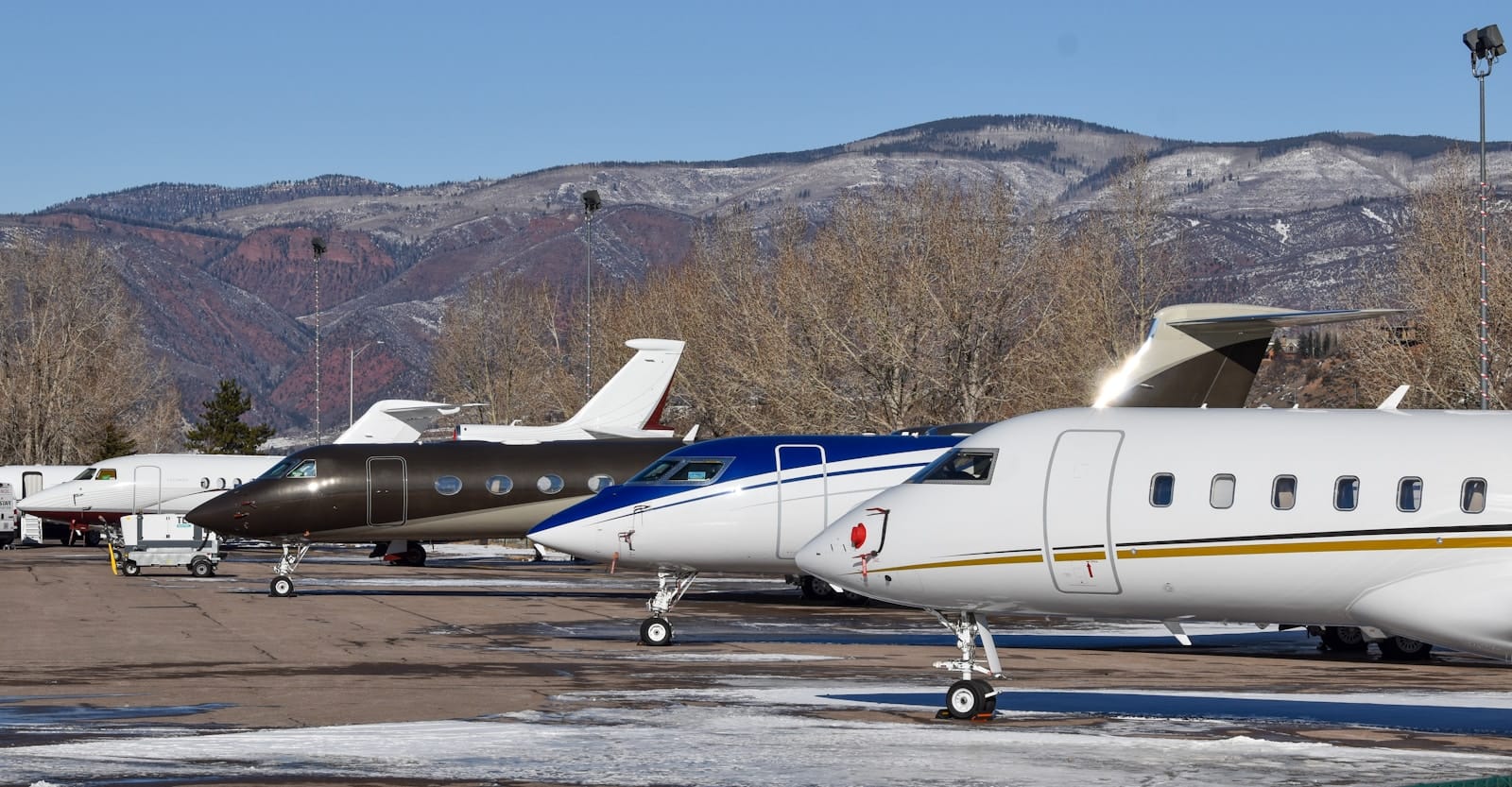
Aspen's ramp fills against the peaks, then the FBO calls "no more parking."
5. Lake Tahoe / Truckee, CA (TRK)
Why it gets busy: A ski-and-lake resort draw pulls corporate jets year-round, and summer is every bit as busy as winter.
Why it gets tight: Truckee offers 210 paved transient tie-downs, but it also runs a voluntary curfew (no operations 10pm to 7am) and active noise-abatement procedures. Field elevation is 5,904 feet, so summer heat brings real density-altitude penalties. Curfew timing and weight-and-temperature limits both come into play.

Truckee's lake draws the jets. The curfew and the heat decide when they move.
6. Jackson Hole, WY (JAC)
Why it gets busy: Jackson Hole handles roughly 35,000 operations a year and is the only commercial airport sitting inside a U.S. national park (Grand Teton), which permanently caps its footprint.
Why it gets tight: Parking is explicitly limited during peak dates. The airport does not even offer its parking-program pricing on those days because demand outstrips supply. The park-bounded ramp means transient space can be gone before an inbound even lands.
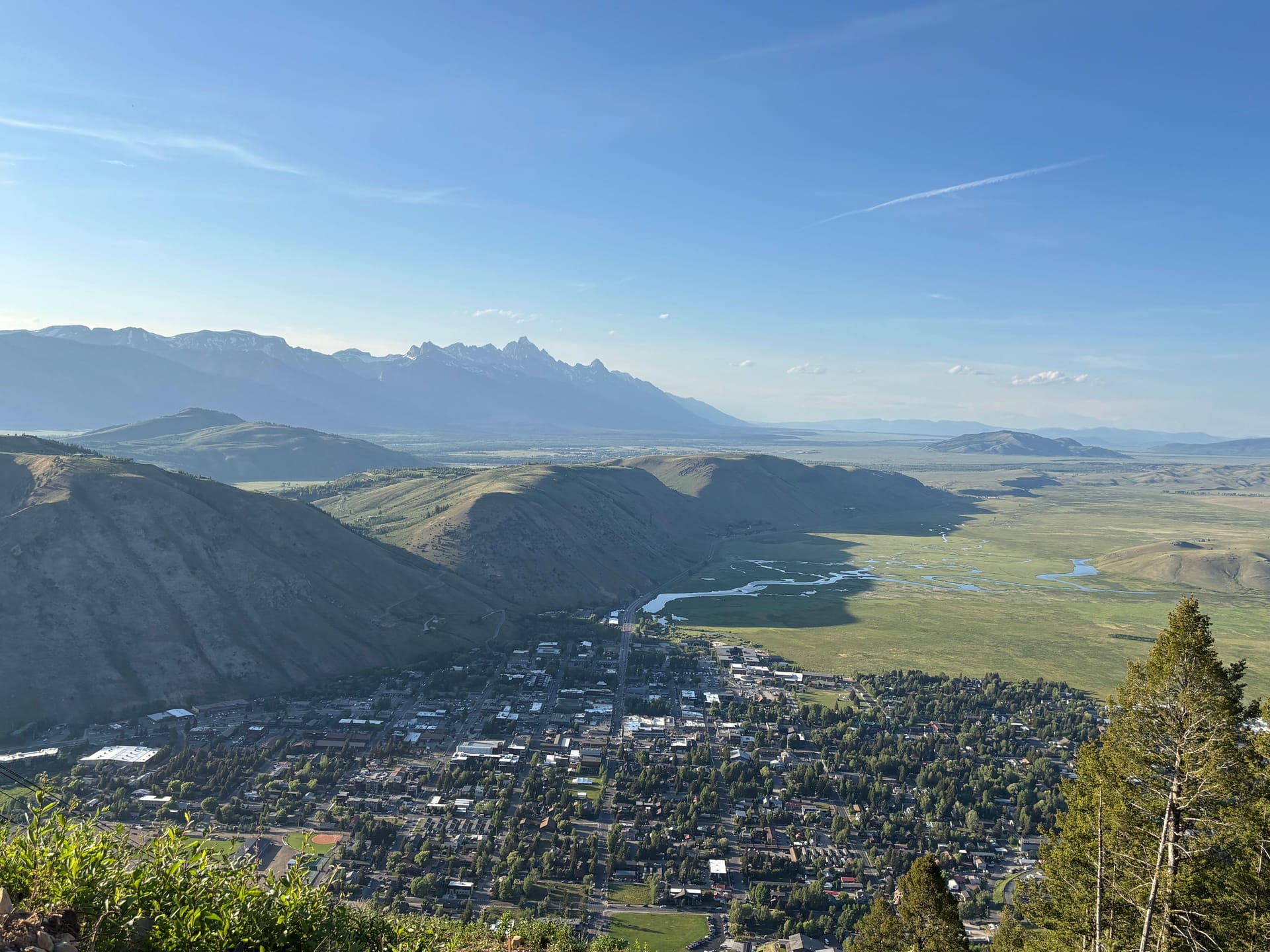
Jackson Hole's ramp is boxed in by a national park, and the parking shows it.
7. Palm Beach, FL (PBI)
Why it gets busy: Palm Beach is a long-standing top-five business aviation airport and a perennial Florida draw.
Why it gets tight: Mar-a-Lago temporary flight restrictions (TFRs) reshape traffic whenever the President is in residence. PBI fell from 2nd to 4th among GA fields in 2025, down 18.3%, as flights pushed out to satellite fields like Lantana and Boca Raton. A single TFR can reshuffle the whole weekend's traffic on short notice.
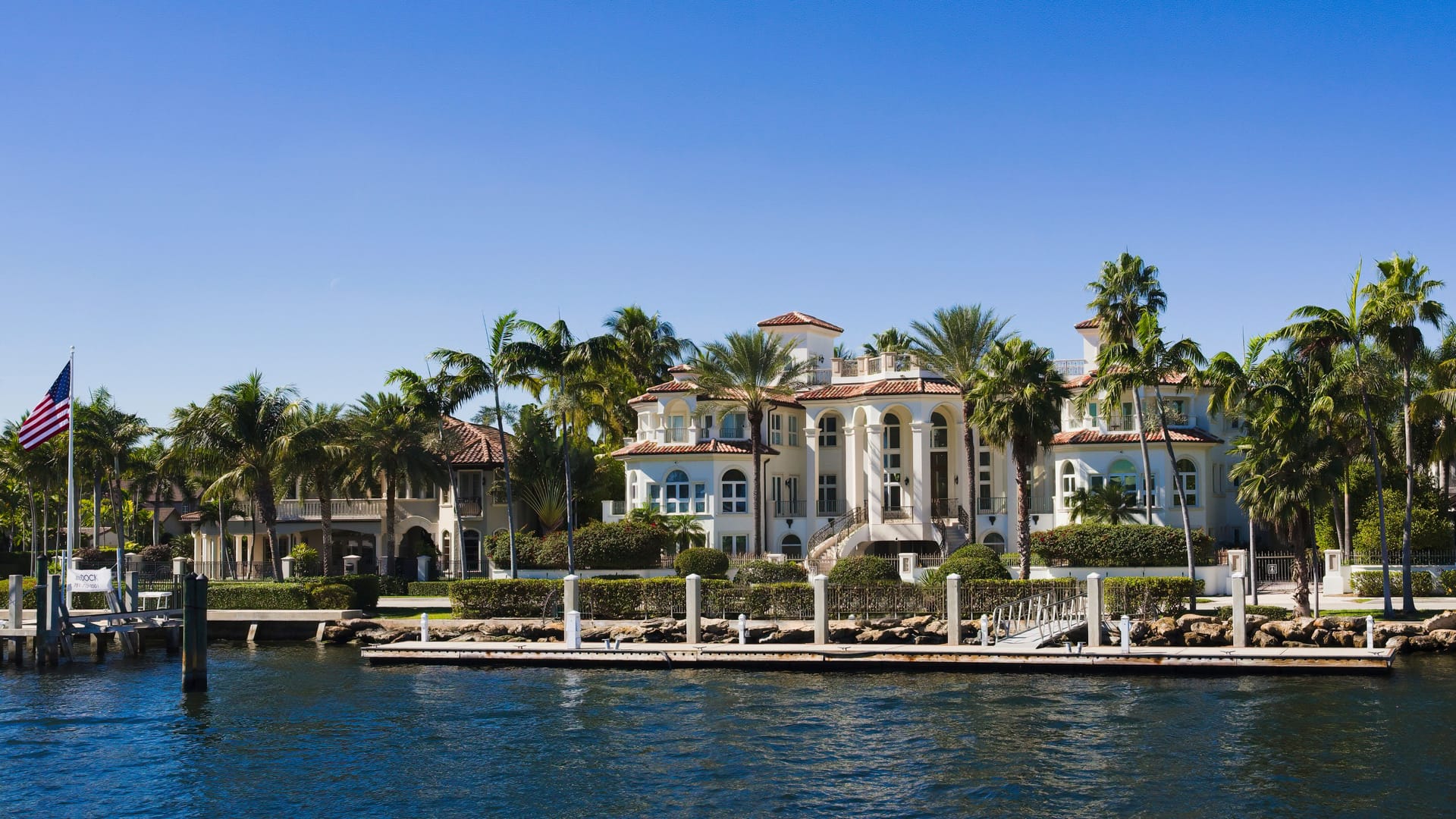
Palm Beach traffic reshuffles to satellite fields the moment a TFR drops.
8. Hilton Head, SC (HXD)
Why it gets busy: Resort-island demand spikes in summer and around every major holiday.
Why it gets tight: The single runway was extended from 4,300 to 5,000 feet in 2018, still short of the FAA-recommended length, and one FBO (Signature) handles everything. Runway length limits which jets can operate at full weight, turning into a fuel-versus-payload question, and the single-FBO ramp backs up fast.
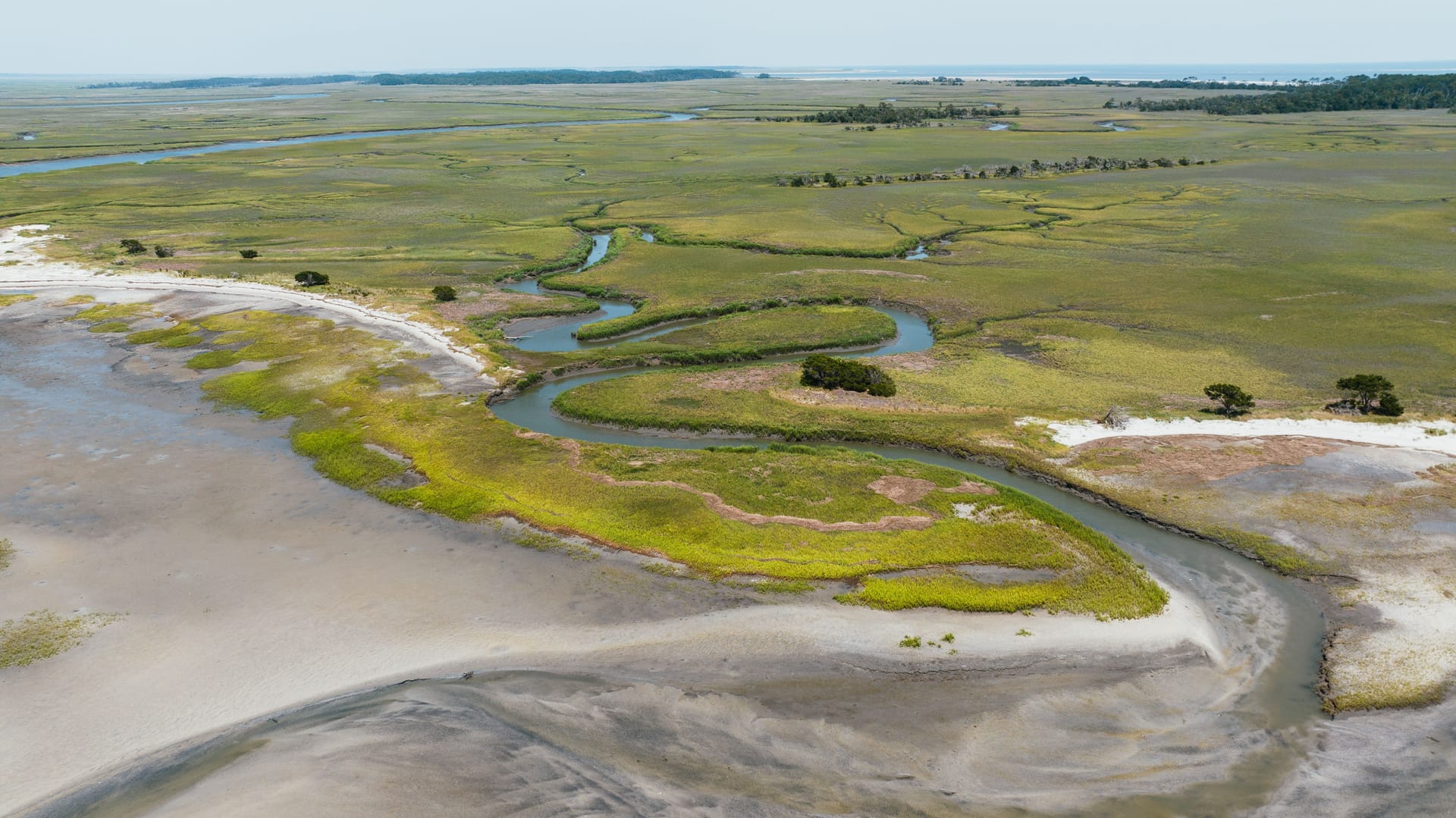
Hilton Head's lowcountry is calm, but one short runway and one FBO set the pace.
9. Scottsdale, AZ (SDL)
Why it gets busy: Scottsdale is the busiest single-runway GA airport in the country, running somewhere between 160,000 and 200,000 operations a year with no commercial gates and about 75% transient GA.
Why it gets tight: One runway carries all of it. Summer desert heat drives density altitude up and degrades climb and takeoff performance through the middle of the day. Throughput and heat-of-day performance are the two constraints, and midday is the worst of both.

Scottsdale runs it all on one runway, and the desert heat sets the departure clock.
10. Las Vegas, NV (LAS / Henderson HND)
Why it gets busy: Harry Reid International is the busiest GA airport in Nevada, and the Strip pulls holiday and event traffic almost constantly.
Why it gets tight: Expect FBO ramp "compression" on big weekends as transient jets pile in. Henderson Executive (HND), about 13 miles south, is the purpose-built bizav overflow with more room. When the LAS ramps compress, Henderson is where the overflow lands.
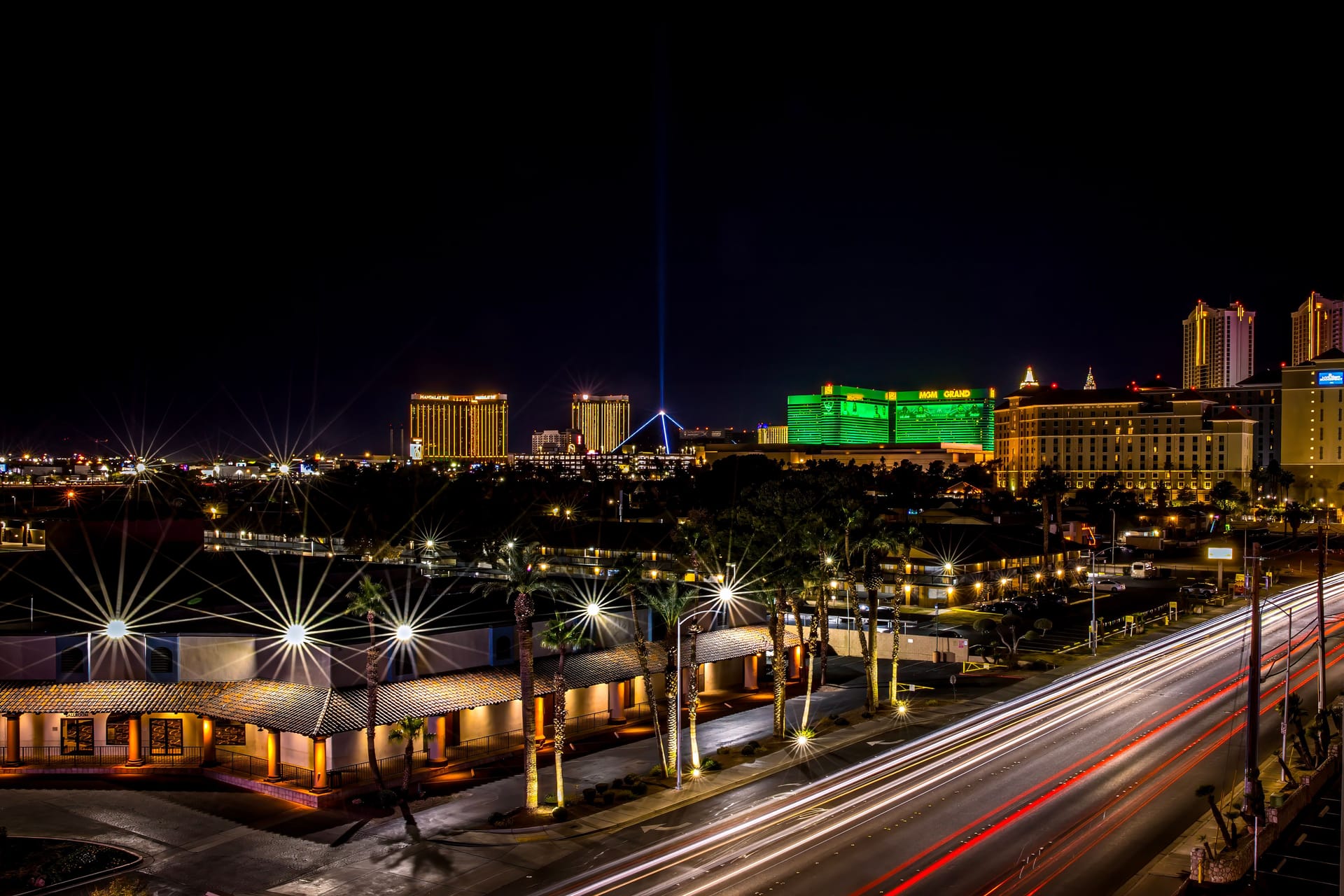
Vegas never stops, so the LAS ramp compresses fast. Henderson is the release valve.
The 2026 wrinkle: the World Cup lands on the same weekend
Here is what makes this year different from every other Fourth of July. The 2026 FIFA World Cup (hosted across the US, Canada, and Mexico, June 11 to July 19, 104 matches in 16 cities) drops its knockout rounds directly on top of the holiday weekend. The Round of 16 runs July 4 to 7, with matches in Philadelphia, New York/New Jersey (the MetLife and Teterboro catchment), Dallas, Seattle, and Atlanta. Every one of those is a major business aviation market.

When the knockout rounds fill the stands, the host city's ramps fill too.
On July 4 itself, the tournament stacks ceremonies for the US Semiquincentennial, America's 250th, at Lincoln Financial Field in Philadelphia and NRG Stadium in Houston.
We built a model for exactly this. The AirPlx World Cup 2026 simulation runs 10,000 Monte Carlo iterations per airport across all 16 host cities and 45-plus airports, calibrated on real event data: the 2018 World Cup in Russia (roughly 15,000 business-jet flights), the most recent Super Bowls (about 18,000 flights across four metro areas), and the 2014 Brazil and 2022 Qatar tournaments. The pattern it surfaces is the one that matters for July 4. The surge is not even across the tournament. It builds toward the knockout rounds and concentrates on a shrinking set of host cities, which is exactly the window landing on the holiday weekend.
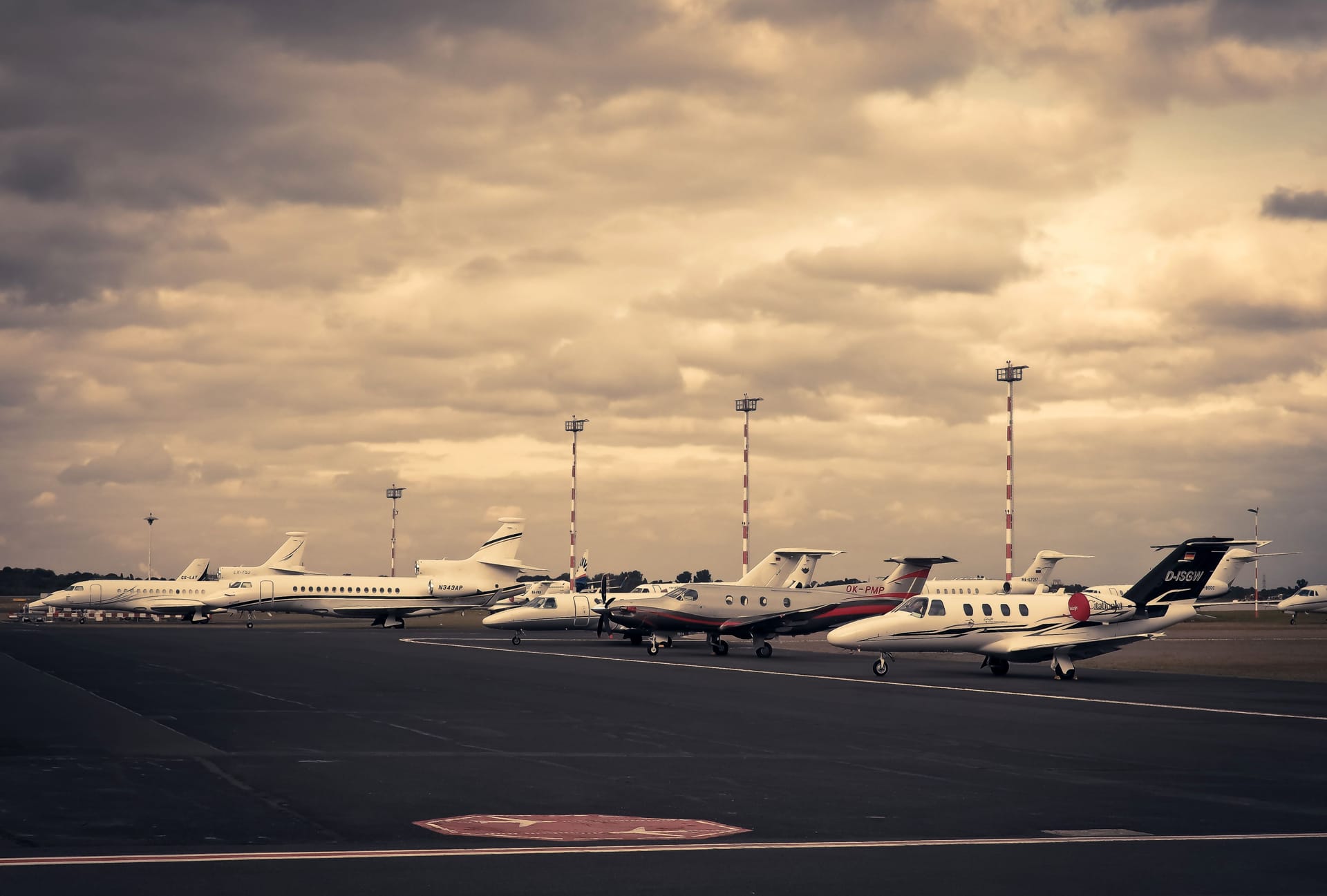
Two surges, one weekend: holiday traffic and World Cup jets share the same apron.
Operators are already warning of the strain: slot controls at major US gateways, constrained parking near venues, ground-handling and fuel-supply pressure, heightened security, and (for the Mexico legs) permit and cross-border customs coordination. Multiple host cities hit high-surge conditions in overlapping windows.
And the home team is making it peakier. The USMNT is through to the knockout rounds and playing well, having opened the tournament with back-to-back wins for the first time the US has strung together two straight World Cup victories since 1930. With the host nation advancing into a bracket that runs straight through the July 4 weekend, demand does not spread evenly. It concentrates on whichever US city hosts their next match, and it does so on short notice as results come in. For an FBO near a US knockout venue, that is a same-week, hard-to-forecast spike layered on top of the July 4 baseline. A winning home team is great for the sport and rough on a parking plan, which is exactly when ramp visibility earns its keep.
Put it together. The resort fields above already max out every July 4. In 2026, the World Cup stacks a second, overlapping surge onto the metro bizav hubs at the exact same time. That is two stress tests at once, and the teams that have not planned for both will feel it on the ramp.
The thread that connects all ten
Look back at the watchouts. The runway is rarely the limiting factor. The constraint is ground-side every time: parking, tail-to-tail fit, tow sequencing, fuel staging, and knowing whether the next inbound has a spot when it calls ten minutes out. Most teams still manage that with a whiteboard and three people holding three different pictures of the ramp. Fine on a Tuesday in February. It falls apart on the Friday before the Fourth.
AirPlx gives FBOs and airport teams a live picture of aircraft positions and ramp and hangar space when traffic spikes. When a G650 calls inbound and the ramp looks full, the answer should take thirty seconds. Here is what that visibility buys you:
- Parking spots recovered. Tighter tail-to-tail planning, with wings staggered to the clearance you actually have, routinely frees one to three transient spots on a ramp that "looked full." That space is worth real money on a holiday. Ramp fees scale with the field and the airframe: from a few hundred dollars a day at an island airport to well into four figures a day for a large-cabin jet at a marquee resort field, where Aspen's FBO charges by the hour (a heavy jet runs $186 an hour for its first eleven hours on the ramp). Recovering two or three spots across a weekend is same-day revenue you would otherwise wave off to a field 40 miles away, not a rounding error.
- Diverts avoided. When the ops desk can confirm or deny a spot before the aircraft commits, you stop the worst-case sequence: land, taxi in, then discover there is nowhere to park. Each avoided "land then divert" saves a repositioning leg, a second fuel stop, and a customer you would rather keep.
- Tow moves cut. Stacking by departure time instead of arrival order means the 6am departures sit near the door and the overnights tuck in behind them. Fewer re-spots means fewer tug cycles, fewer wing-walker hours, and less exposure to ramp-rash on the busiest day of the year.
- Faster fuel turns. Knowing where every tail sits, and which ones leave first, lets you stage fuel by sequence instead of chasing trucks across a packed ramp.
The math is not subtle. At resort-field rates, recovering two large-cabin spots and heading off one divert across a holiday weekend is four figures in retained ramp revenue plus a customer you keep. None of it requires another acre of concrete. It is capacity you already have, made visible.

The fireworks are the easy part. The ramp is the hard part.
Plan for the wave
Planning for a busy summer weekend? AirPlx helps FBOs and airport teams visualize aircraft positions, plan ramp and hangar space, and reduce the whiteboard chaos that shows up when traffic spikes.
See what a clear ramp picture looks like for your operation. Try the AirPlx ramp capacity calculator to estimate how many more aircraft you can fit before the holiday rush.
Sources:
- AAA Fourth of July 2026 Travel Forecast (72.2 million travelers, 5.85 million flying)
- TSA July 4 Travel Projection (nearly 18.7 million screened, busiest day July 2)
- NBAA: Business Aviation Airports, a Contrast to the Commercial Airline Hubs (GA field rankings, Palm Beach shift)
- 2026 FIFA World Cup, Wikipedia (Round of 16 schedule, host cities, 250th ceremonies)
- AirPlx World Cup 2026 Private Aviation Simulation (Monte Carlo modeling of private-jet traffic and airport stress across all 16 host cities)
- Nantucket Memorial Airport 2026 Rates and Charges and Aspen Daily News: Airport FBO Imposes Hourly Parking Fees (peak ramp and parking rates)
- Universal Weather: 2026 World Cup Business Aviation Planning Guide (slot controls, parking, fuel and customs strain)
- Nantucket Current: Airport Sets Transient Ramp Restrictions (ramp limits, fuel caps, runway closure)
- Nantucket Current: Busiest 24-Hour Arrival Stretch Ever (Karberg quote)
- Martha's Vineyard Airport, Wikipedia (ramp capacity, Obama weekend)
- East Hampton Airport, Wikipedia (operations, seasonal tower, restrictions)
- Aspen/Pitkin County Airport, Wikipedia (2025 operations, drop-and-go parking)
- Truckee Tahoe Airport, Wikipedia (tie-downs, curfew, elevation)
- Jackson Hole Airport Parking Program (peak-date parking limits)
- Hilton Head Airport, Wikipedia (runway length, single FBO)
- Scottsdale Airport, Wikipedia (busiest single-runway GA airport)
- Atlantic Aviation Las Vegas (Henderson overflow)