Aircraft Ground Handling Software
Handle Every Aircraft on a Plan, Not a Hunch
Ground handling lives and dies on the ramp: which tail moves first, whether that wingtip clears, where the GPU stages. AirPlx puts the whole choreography in 3D, so your crew tows a sequence, not a guess, and the expensive surprises stop happening.
100+
Aviation operations
1,000+
Aircraft Models
1-2 Days
To Go Live
Same Day
Custom Adds
01Ground Damage Prevention
Catch the wingtip strike before the tow bar is attached
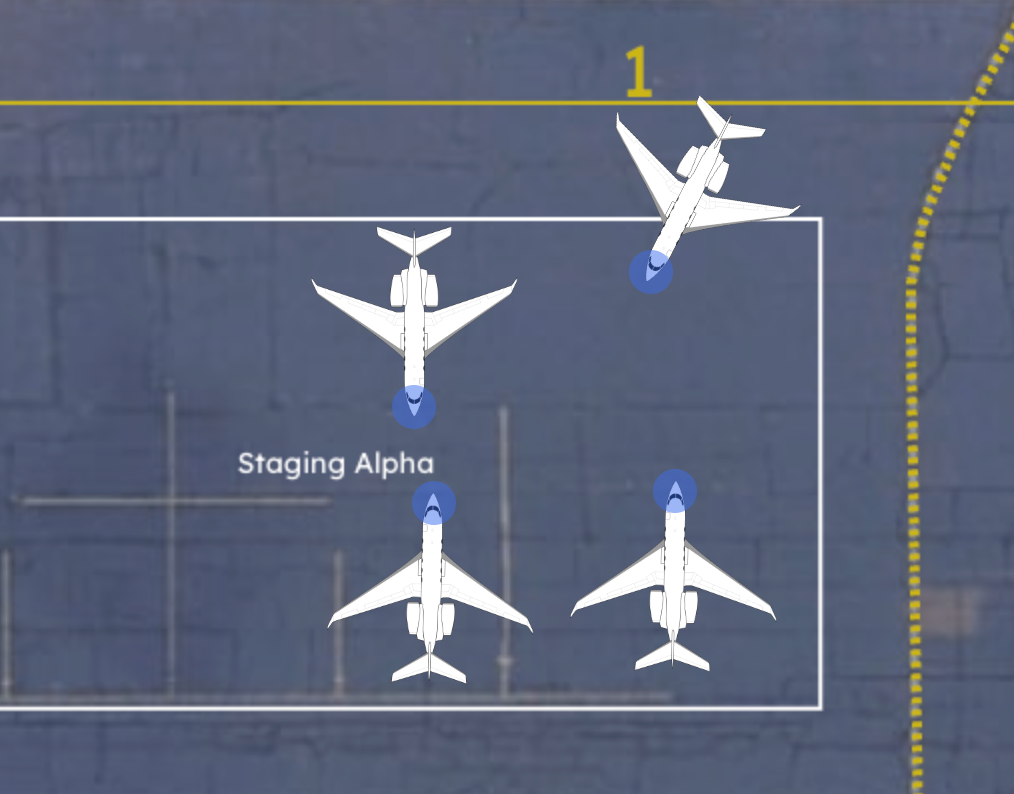
Wingtip and tail strikes during tow are the single largest source of FBO insurance claims: a scuffed Falcon wingtip runs $20,000-$50,000, a structural strike on a heavy jet $250,000-$500,000. AirPlx calculates exact wing-to-wing, wingtip-to-obstacle, and tail clearances for every position using verified dimensions for 1,000+ aircraft, on the open ramp where there are no walls to judge against. Your crew sees the conflict on a tablet before anyone touches a tug.
02Tow Sequencing
Know which aircraft moves first, so the 6 AM departure pulls straight out
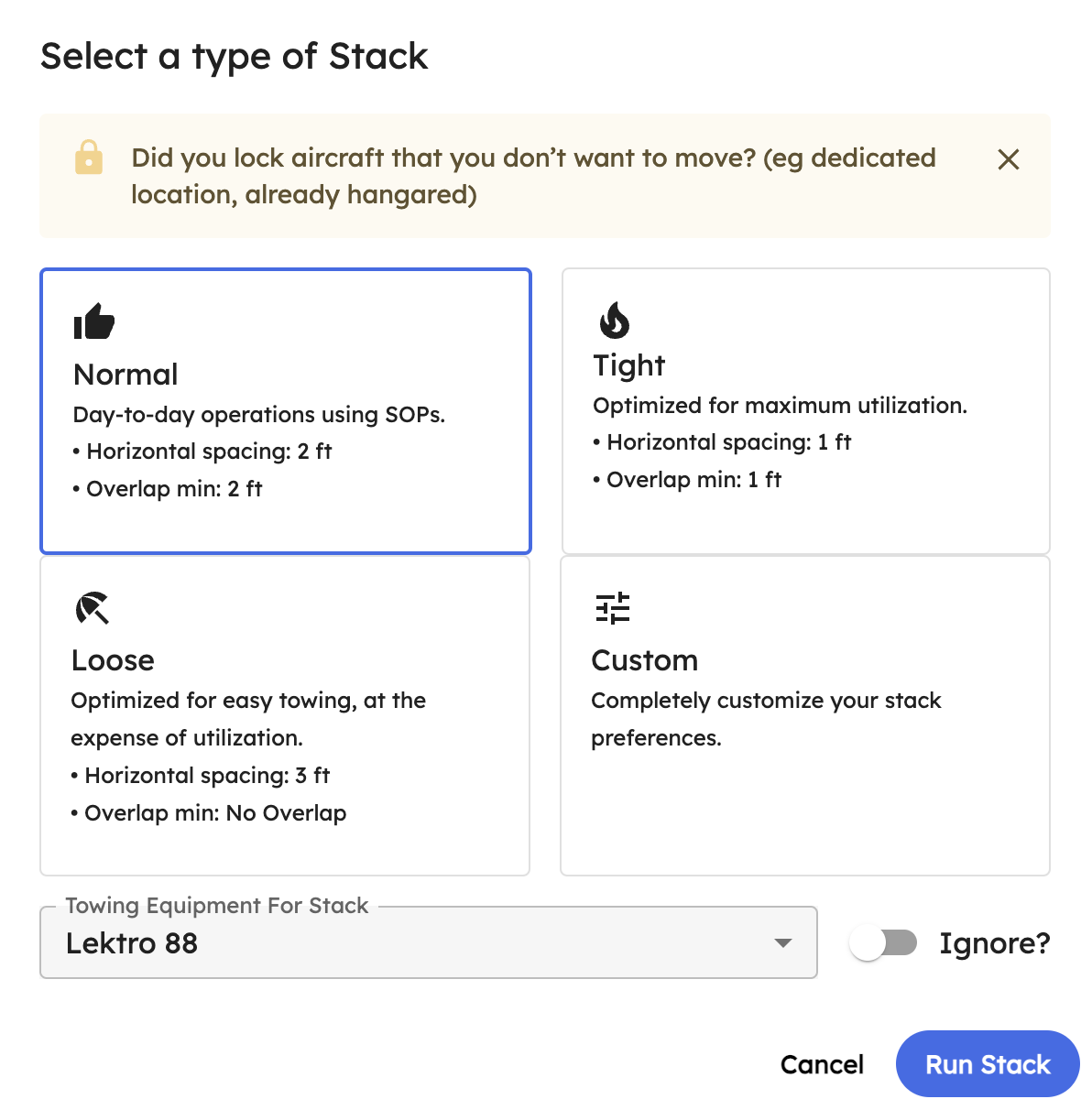
Most ground damage and most lost time come from the same place: moving aircraft in the wrong order. AirPlx is departure-aware. It shows the night crew exactly how to position tonight's arrivals so the morning departures come out clean, without shuffling four other tails across a live apron at 5:45 AM. Your crew executes a movement sequence, not a scramble.
03GSE Coordination
Stage GPUs, tugs, and fuel access around the plan, not against it
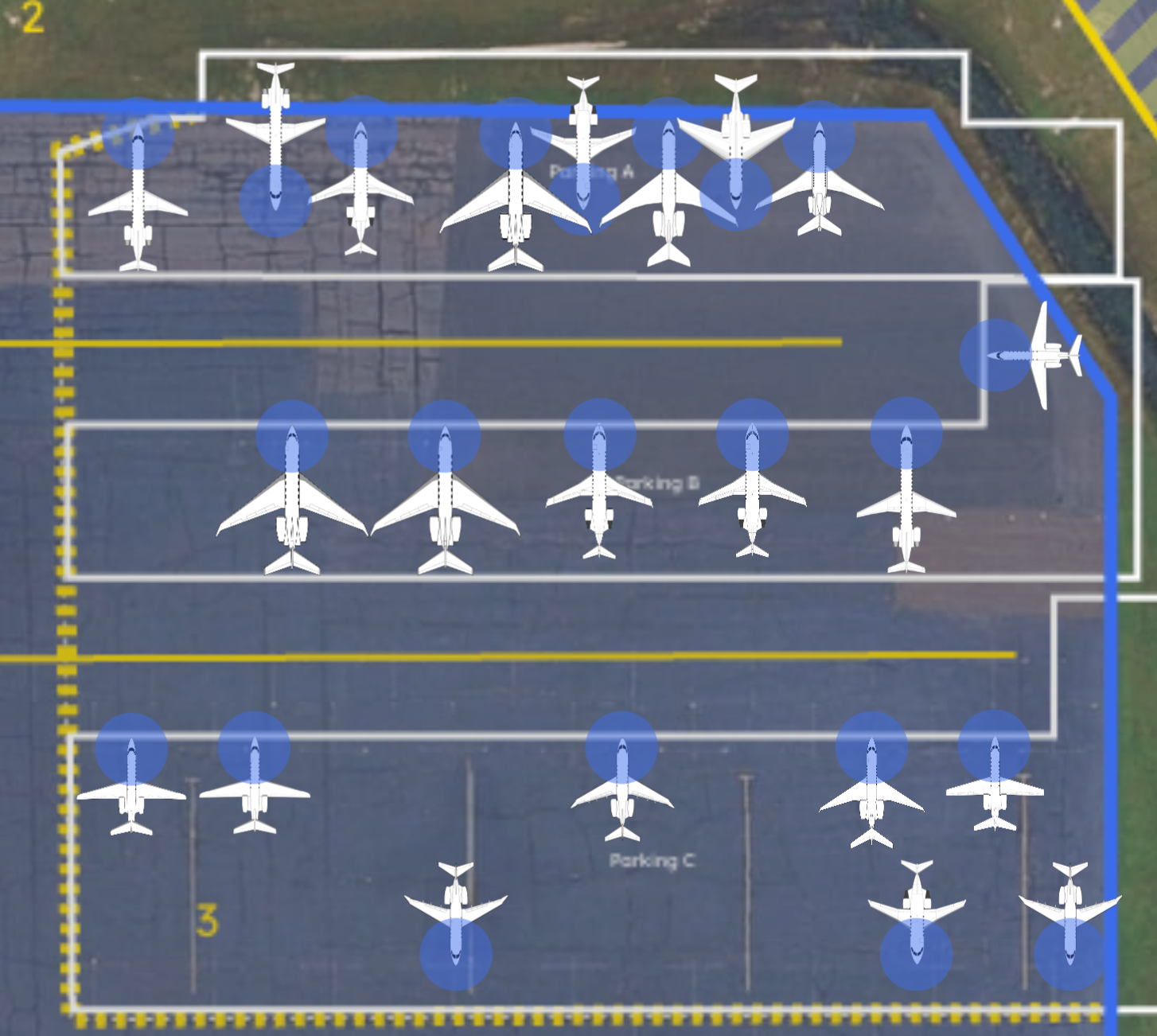
Ground handling is more than aircraft. It's the equipment around them. Map GPU pads, fuel corridors, tug paths, and equipment storage onto your ramp, and AirPlx flags when a parking position blocks a fuel lane or strands a GPU cable. Plan where the gear stages before the aircraft arrives, so a tow never backs up across the apron waiting on a hose to move.
04One Crew, One Plan
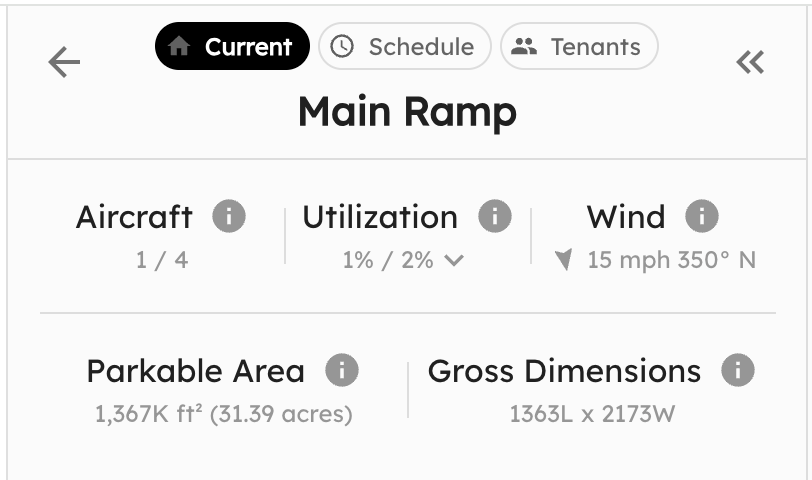
Line crew, tow drivers, and the ops desk on the same live picture
Handling breaks down at shift change and during a surge: the night lead moved three aircraft, the day crew doesn't know which, and a tow driver is heading for a spot that's no longer open. AirPlx gives every role the same live ramp on whatever device they have, updated the moment a tug moves. The fix for most ground incidents isn't a slogan. It's a crew that can all see the same plan and stop the move when something's off.

05Turn Time & Documentation
Faster turns, and a record of how every aircraft was handled
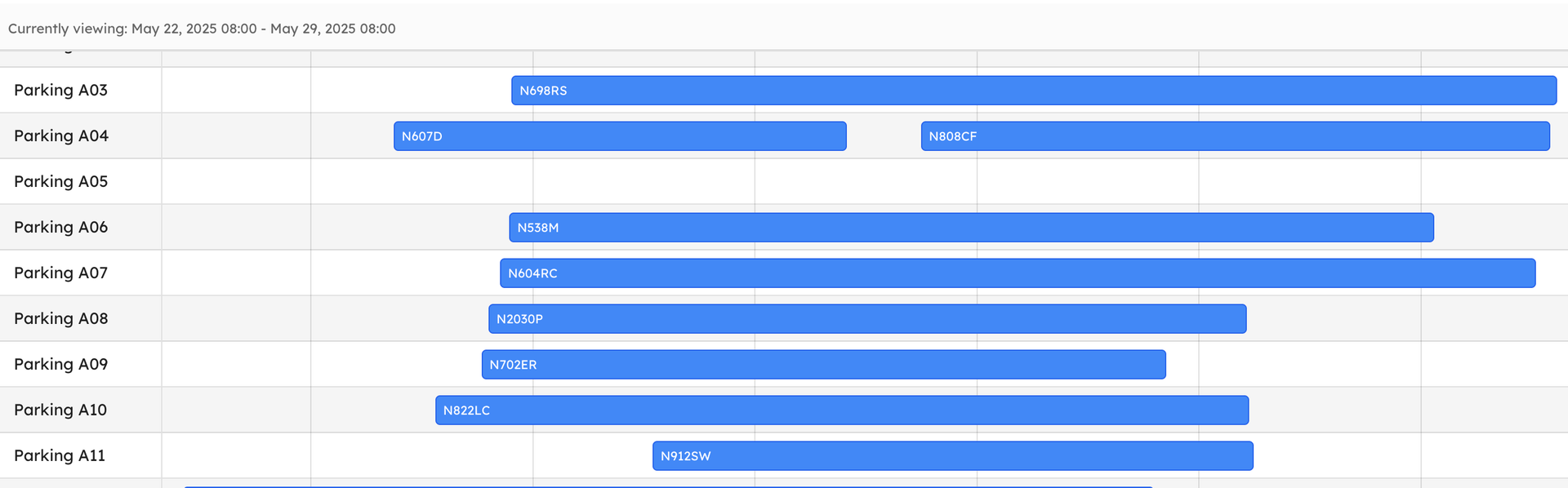
A crew that runs efficient, conflict-free turns frees up ramp space, and ramp space that turns over fast captures more transient revenue. AirPlx logs every position, move, and stay, so you can see your turn-time distribution, find the capacity you didn't know you had, and hand a clean record to safety and billing instead of reconstructing the day from radio memory.
What FBO operators say about handling aircraft with AirPlx
“You hoped the person doing it had that Tetris mind. Now we just fire up AirPlx. No guessing. When I recreated our Italian Air Force deployment with AirPlx, it would've been so easy. I would've felt so much better going into it.”
Jamie McCarthyDirector of FBO OperationsPort City Air“It lets us play chess with the pieces before we go out and do it in real life. I spent about 10 minutes playing with it and felt like I had enough to operate a normal day.”
Jon ZelieGeneral ManagerJet Aviation Milwaukee“The team is constantly looking at it, constantly changing it if we need to. Sometimes they even come up and suggest a different way to stack things.”
Kyle WhiteSenior Line ManagerJet Aviation Milwaukee
Frequently asked questions
Everything you need to know about aircraft ground handling software
What does aircraft ground handling software do?
Aircraft ground handling software helps a line crew move and service aircraft on the ground safely and efficiently. AirPlx covers the parts that cause the most cost and delay: checking wing and tail clearances in 3D, sequencing tows so departures pull out clean, coordinating GSE and fuel access around the parking plan, and keeping the whole crew on one live view. It's built for FBOs, MROs, and airport ramp operations, not retrofitted from a generic logistics tool.
How does it reduce ground damage?
Most ground-damage claims are wingtip and tail strikes during towing, and most happen because someone misjudged a clearance on open pavement or moved aircraft in the wrong order. AirPlx calculates exact clearances for 1,000+ aircraft models and shows the movement sequence before anyone attaches a tow bar. The crew sees the conflict on a screen instead of discovering it with a tug, which is where the $20,000-$500,000 claims come from.
Does AirPlx replace our line crew or GSE?
No. It gives an experienced crew a shared plan and does the 3D clearance math for them. Your line leads still call the moves; AirPlx handles the geometry, the departure sequencing, and the documentation so they're not redrawing whiteboards or arguing over what fit last Thursday. Line chiefs are usually the first to advocate for it once they see how much friction it removes from a turn.
Is this the same as ramp planning software?
They overlap. Ramp planning focuses on where aircraft park: capacity, surge events, weather. Ground handling focuses on how aircraft are moved and serviced: tow order, clearances, GSE, and crew coordination. AirPlx does both in one platform, so the parking plan and the handling sequence are never out of sync. Many operators land on this page from one need and use the whole thing.
Can line crews and tow drivers use it out on the ramp?
Yes. AirPlx runs in any browser on a phone, tablet, or ramp monitor. The tow driver checks the next move at the tug, the line lead updates positions at the tie-down, and the ops desk watches the whole apron from inside, all on the same real-time picture, no radio relay required.
How fast can we get set up?
Most operators are live in 1-2 days. We model your exact ramp and hangars, including positions, fuel corridors, GSE zones and taxi lanes, during onboarding, and your crew starts working immediately against 1,000+ pre-loaded aircraft models with manufacturer-verified dimensions. No servers, no install. Custom aircraft added same-day.
Book a demo
See your ground handling running on one plan
Book a 15-minute call. We'll load your actual ramp and walk a real turn, covering clearances, tow sequence and GSE staging, so you can see where the next ground-damage claim and the next 30 wasted minutes were hiding. Most operators are live in 1-2 days.