Turn Your FBO Hangar Into a Revenue-Generating Event Space
Published on July 7, 2025 • 7 min read

Many hangars sit empty on weekend evenings while event planners search for unique venues that can accommodate 300+ guests.
As fuel margins continue their relentless squeeze, FBO operators are discovering that empty hangar space can generate serious revenue. In fact, hangar rental has become the second largest revenue stream for many FBOs, right behind fuel sales. Optimizing your hangar utilization during weekdays combined with event hosting on weekends maximizes revenue potential.
The $6 Million Hangar Party
Denver's Flight to Luxury charity gala has raised over $6 million since its inception, all from hosting glamorous events in FBO hangars at Centennial Airport.
This sophisticated event featured 1,400 guests mingling around private jets, with fashion shows on the tarmac and celebrity appearances. The hangar venue became a central attraction.
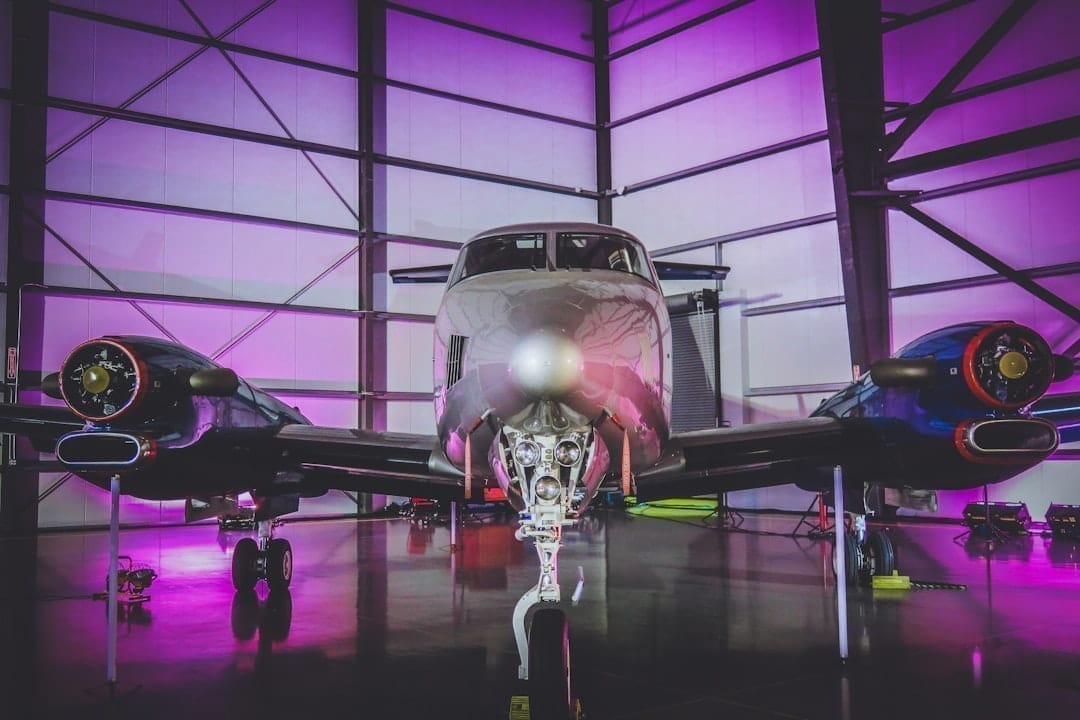 Private jets provide an unmatched backdrop for high-end charity galas
See how many aircraft fit in your hangar
AirPlx calculates optimized 3D stacking layouts for your exact hangar dimensions.
Run a free layout simulationWhy Event Planners Love Airport Hangars
The Denver Post called airport hangars "the season's most popular trend in venues" for charity benefits. Event planners love them for several reasons:
- Massive capacity: Most hangars easily accommodate 300-1,200 guests with some venues offering 100,000+ square feet of combined indoor/outdoor space
- Built-in wow factor: Where else can guests sip cocktails next to a $30 million Gulfstream?
- Flexibility: Open floor plans work for everything from corporate product launches to charity galas
- Exclusive experiences: Offer helicopter arrivals or sunset biplane rides as auction items
Real FBOs Making Real Money
Here are actual examples of FBOs that have turned event hosting into a profitable business:
Galaxy FBO - William P. Hobby Airport
Launched the Wings of Love charity from their hangar, creating ongoing revenue through annual fundraising events while supporting children who lost parents in aviation accidents. Smart move: they positioned themselves as THE aviation charity venue in Houston.
Signature Flight Support & XJet - Multiple Locations
These FBOs host the Flight to Luxury series across multiple cities. One event alone can generate significant venue rental fees plus catering commissions, parking fees, and fuel sales from arriving aircraft.
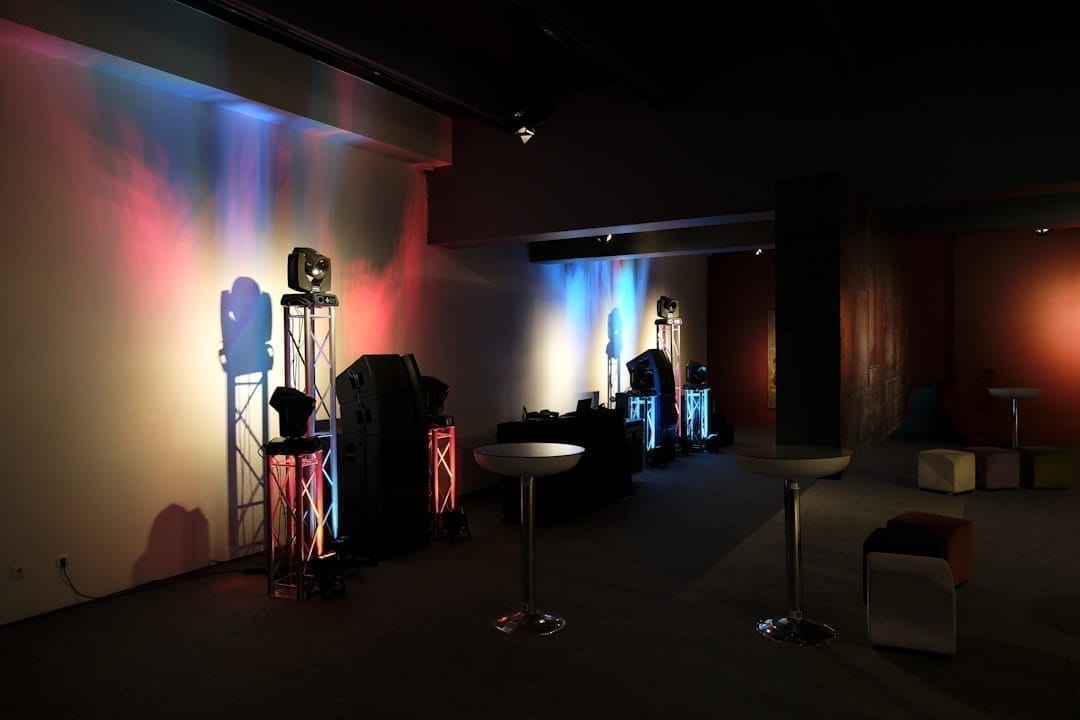 Modern hangars transform into sophisticated event spaces with the right setup
The Revenue Reality Check
While specific rental rates are closely guarded (most venues require direct contact for pricing), the numbers tell an interesting story:
- With North America's FBO market valued at $10 billion in 2024, event hosting represents a significant growth opportunity
- Professional FBO managers now use commercial real estate pricing models: per-square-foot rates, CAM fees, and annual CPI adjustments
- Events generate multiple revenue streams: venue rental, catering commissions, parking fees, fuel sales, and hangar space for visiting aircraft. Learn more about FBO ramp revenue optimization for related strategies.
One FBO manager told us off the record: "A single high-end charity event can generate more profit than two months of hangar rental to based aircraft."
Getting Started: Your 90-Day Launch Plan
Days 1-30: Regulatory and Infrastructure
Regulatory Compliance (Critical - Don't Skip This Step)
- Airport Authority Review: Check your airport's minimum standards and lease agreements. Many airports require prior approval for commercial events and may restrict certain activities (weddings, ticketed events, amplified music after certain hours)
- FAA Compliance: Ensure events don't interfere with aircraft operations or violate Part 139 requirements if you're at a commercial service airport
- Fire Marshal Approval: Large gatherings typically require fire department inspection and approval, especially for alcohol service and temporary structures
- Building Code Compliance: Hangars weren't designed for large gatherings - you may need temporary egress modifications, additional fire exits, or occupancy limit adjustments
Insurance Requirements (Plan for $15,000-25,000 annually)
- General Liability: Minimum $2 million per occurrence for event hosting
- Liquor Liability: Required if serving alcohol - expect $5,000-10,000 additional premium
- Property Coverage: Protect against damage to aircraft and hangar during events
- Workers' Compensation: Covers additional event staff and contractors
- Event Cancellation: Protects against weather-related cancellations
Infrastructure Assessment
- Aircraft Movement Strategy: How will you relocate based aircraft during events? Consider tie-down costs, fuel requirements for repositioning, and customer notification timelines. Choosing the right tugs makes aircraft repositioning more efficient.
- Hangar Selection: Choose hangars with:
- Direct ramp access for emergency vehicles
- Adequate restroom facilities within 200 feet
- HVAC systems capable of handling 300+ occupants
- Electrical capacity for catering and sound systems (typically 400+ amp service)
- Safety Equipment: Fire extinguishers, first aid stations, emergency lighting, and crowd control barriers
Days 31-60: Marketing and Partnerships
Staff Planning and Training
- Event Coordinator: Hire or designate someone to manage bookings and coordinate with vendors
- Security Requirements: Budget for professional security (typically 1 officer per 75-100 guests)
- Line Service Training: Train your team on:
- Managing aircraft movements around events
- Customer service for non-aviation guests
- Emergency procedures with large crowds
- Ramp safety with civilian foot traffic
Operational Procedures
- Aircraft Movement Protocol: Develop written procedures for:
- 48-hour advance notice to based aircraft owners
- Alternative parking arrangements and associated costs
- Fuel requirements for aircraft repositioning
- Coordination with ATC for increased ramp traffic
- Emergency Action Plan: Create specific procedures for medical emergencies, weather events, and evacuation with large crowds
- Customer Communication: Establish protocols for notifying based aircraft customers about event schedules and potential access restrictions
Marketing and Partnerships
- Partner with 2-3 local charities for "test" events (builds goodwill and references)
- Create venue marketing materials highlighting unique aviation experiences
- Build relationships with event planners, caterers, and production companies
- List on venue marketplace websites emphasizing your capacity and unique features
Days 61-90: Launch and Refine
Operational Testing
- Dry Run: Conduct a full rehearsal with your team, including aircraft movement, emergency procedures, and vendor coordination
- Based Aircraft Communication: Send detailed notice to all based aircraft customers about your event hosting program, including:
- Advance notice policies (minimum 72 hours)
- Alternative parking arrangements
- Compensation for any inconvenience
- Emergency contact procedures during events
Launch Strategy
- Host your first charity event (pro tip: partner with a well-connected local nonprofit)
- Document everything with professional photography for future marketing
- Gather testimonials and refine your processes
- Set pricing based on local market rates and your unique value proposition
Managing Based Aircraft Relationships
Your biggest operational challenge will be managing relationships with based aircraft customers. After talking to several FBOs who've been through this, here's what actually works:
- Clear Communication: Establish a 72-hour minimum notice policy for events
- Incentive Programs: Offer fuel discounts or hangar rent reductions to based customers affected by events
- Alternative Arrangements: Partner with nearby airports for temporary parking during major events
- Exclusive Access: Give based customers VIP parking and access during events when possible
 Corporate product launches leverage hangar spaces for maximum impact
The Bottom Line
That empty hangar space represents untapped revenue potential. Right now, event planners in your market are settling for boring hotel ballrooms because they don't know your hangar is available.
Start small with a charity event. Build your reputation. Then corporate clients will start calling, wanting to host product launches where their guests can network next to multi-million dollar jets.
The best part? Every event builds community goodwill while boosting your bottom line. In an industry where fuel margins keep shrinking, this opportunity is worth serious consideration.
Ready to maximize your hangar revenue?
AirPlx helps FBOs optimize hangar space utilization and track event revenue opportunities. See how our software can help you identify prime event spaces and manage bookings efficiently.
Sources
- FBO Partners. "HangarIT - Managing Your Second Largest Revenue Stream." Accessed January 2025.
- 303 Magazine. "Flight to Luxury Charity Fashion Show Returns to Denver." September 2019.
- The Denver Post. "Airport hangar locations help benefit events take flight." August 8, 2012.
- Jet Center Los Angeles. "Events - Hangar Space Specifications." Accessed January 2025.
- Reports N Markets. "North America Fixed-Base Operators (FBO) Market Forecast." 2024.
- Galaxy FBO. "Wings of Love Charity Launches at Galaxy FBO." Accessed January 2025.
- The Hangar Orlando. "Event Restrictions and Guidelines." Accessed January 2025.
Related Articles


Start AutoStacking
See how AirPlx plans, parks, and predicts your ramp moves in one place
 Copyright 2026 • AirPlx, Inc.