The Hidden Cost of Per-Seat Pricing in FBO Operations
Published on December 18, 2025 • 5 min

During a hangar tour at an FBO in the Southeast last month, I watched a line tech pull out his phone to check a group chat for aircraft positions. The ramp supervisor had texted a screenshot of the scheduling board 20 minutes earlier. In that time, two arrivals had shuffled the entire layout.
"Our software costs $75 per seat," the GM explained. "We have 4 licenses for 12 people. The line techs work off screenshots."
Screenshots. For real-time aircraft positions. On a ramp where a single miscommunication can cost $50,000 in wingtip damage.
The Real Cost of Coordination Failures
Software vendors won't mention this about per-seat pricing: the subscription fee is the cheap part.
According to Flight Safety Foundation data, ramp accidents cost the aviation industry over $10 billion annually. The average cost of a single ramp incident? $250,000—and indirect costs (downtime, customer loss, regulatory headaches) run 7-13x higher than direct repair costs.
IBAC data breaks down the causes:
- 26% aircraft-to-GSE contact
- 25% towing/pushback operations
- 15% contact with fixed structures
- 10% aircraft-to-aircraft contact
What's the common thread? 50% of ground damage results from inattention, according to Western Jet Aviation's analysis. Not malice. Not incompetence. People working without complete information.
That's the hidden cost of per-seat pricing. Not the $75/month you're saving by cutting licenses—it's the $50,000 composite repair when someone tows a Phenom into a spot that was reassigned 15 minutes ago.
See how many aircraft fit in your hangar
AirPlx calculates optimized 3D stacking layouts for your exact hangar dimensions.
Run a free layout simulationThe Coordination Tax Nobody Talks About
Per-seat pricing makes sense for CRM tools. Finance software. HR systems. Tools where specific people own specific workflows.
FBO operations don't work that way.
On a busy Friday afternoon, here's who needs visibility into N123AB's arrival:
- The CSR who quoted the hangar fee
- The line supervisor assigning the tow
- The line tech actually moving the aircraft
- The fuel truck operator sequencing deliveries
- The ramp manager juggling arrivals
- The front desk handling the customer
That's six people minimum. At $75/seat, you're at $450/month just for one scenario. So what happens? Managers buy 3-4 seats. CSRs get access. Line techs don't.
And then the workarounds start.
How Workarounds Become Standard Operating Procedure
IATA's Incident Data eXchange analysis consistently identifies communication between load control and ramp staff as a primary factor in ground incidents. Their recommendation: review and reinforce "tools/processes/training focusing on communication between load control and ramp staff."
When per-seat pricing forces rationing, FBOs develop predictable workarounds:
The Screenshot Channel: Someone with access takes a photo of the board and texts it. By the time the line tech sees it, two things have changed.
The Shared Login: "Everyone uses ops@ourfbo.com." Now you have no audit trail, can't track who moved what, and just violated every security best practice. SOC 2 and ISO 27001 compliance explicitly prohibit shared accounts because you lose the ability to attribute actions to individuals.
The Verbal Relay: "Hey Mike, where's that Citation going?" Works great until Mike is on break, or you're busy, or the radio is garbled.
The Parallel System: Someone maintains a whiteboard or Excel sheet "just in case." Now you have two sources of truth and neither is complete.
These aren't edge cases. They're how most FBOs actually operate when software licenses are rationed.
Different roles need different permissions—but everyone needs to see what's happening across the operation
What Fragmented Visibility Actually Costs
This plays out every day at FBOs running rationed licenses:
- CSR confirms a Citation for hangar overnight
- Updates the system (one of the 4 people with access)
- Line supervisor doesn't see it because he's not logged in
- Assigns the same hangar spot to a Phenom that landed 10 minutes earlier
- Line tech tows the Phenom there
- Citation arrives, discovers no spot
- CSR gets an angry call, team scrambles to shuffle
Best case: 30 minutes of reshuffling, an annoyed customer, and stressed staff.
Worst case: someone rushes the repositioning and you're looking at a $50,000-$100,000 composite repair and 3.5 days of aircraft downtime.
This isn't a training problem. It's a visibility problem.
The Security Problem with "Creative" Solutions
When you force people to work around seat limits, they inevitably compromise security.
Shared accounts eliminate accountability. If something goes wrong—a double-booking, a missed fuel order, an incorrect parking assignment—you can't tell who did it. The audit log just shows "ops@ourfbo.com" made the change.
This matters beyond compliance checklists. When a customer disputes a charge or an insurance claim requires documentation, "someone on the team did it" isn't an acceptable answer.
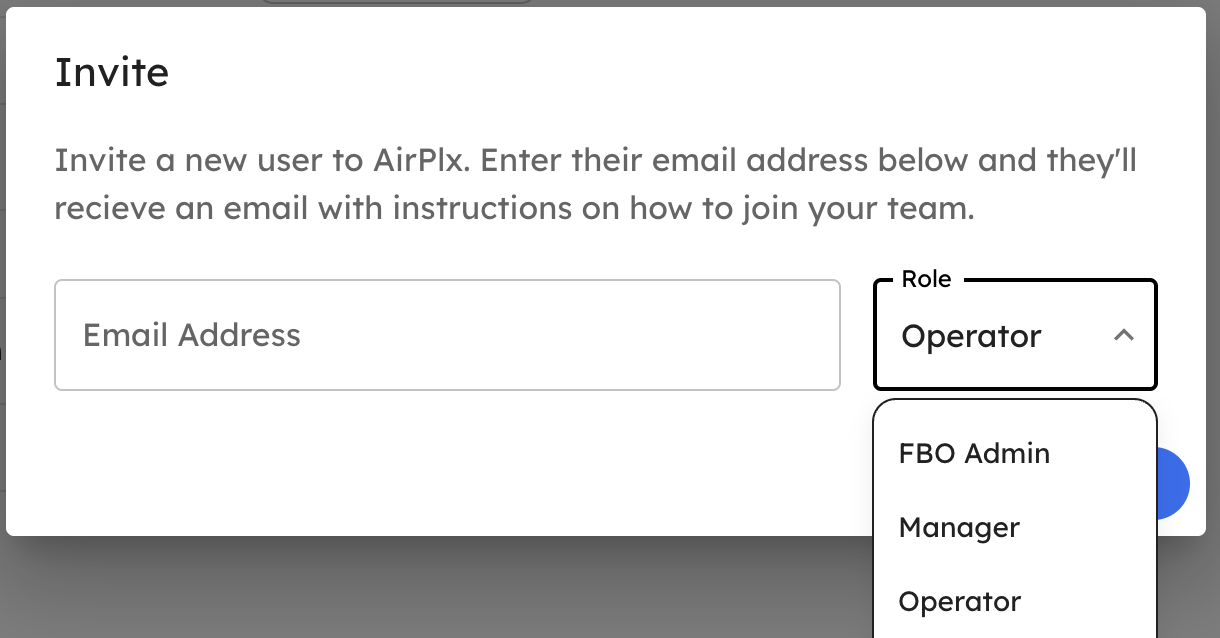 Adding a user should take 30 seconds, not a budget conversation
Per-seat pricing creates a perverse incentive: the more people who need the system, the more expensive it gets, so you artificially limit access. The software becomes a bottleneck instead of a coordination tool.
The Alternative: Access Follows Activity, Not Headcount
AirPlx doesn't charge per seat. Not because it's a pricing gimmick, but because operational software should scale with operations, not with org charts.
If you have 8 people working a Saturday shift, all 8 should see the same board. If you bring on 3 seasonal hires for busy season, they should be in the system day one. If a supervisor needs to check something from home, that shouldn't require a budget request.
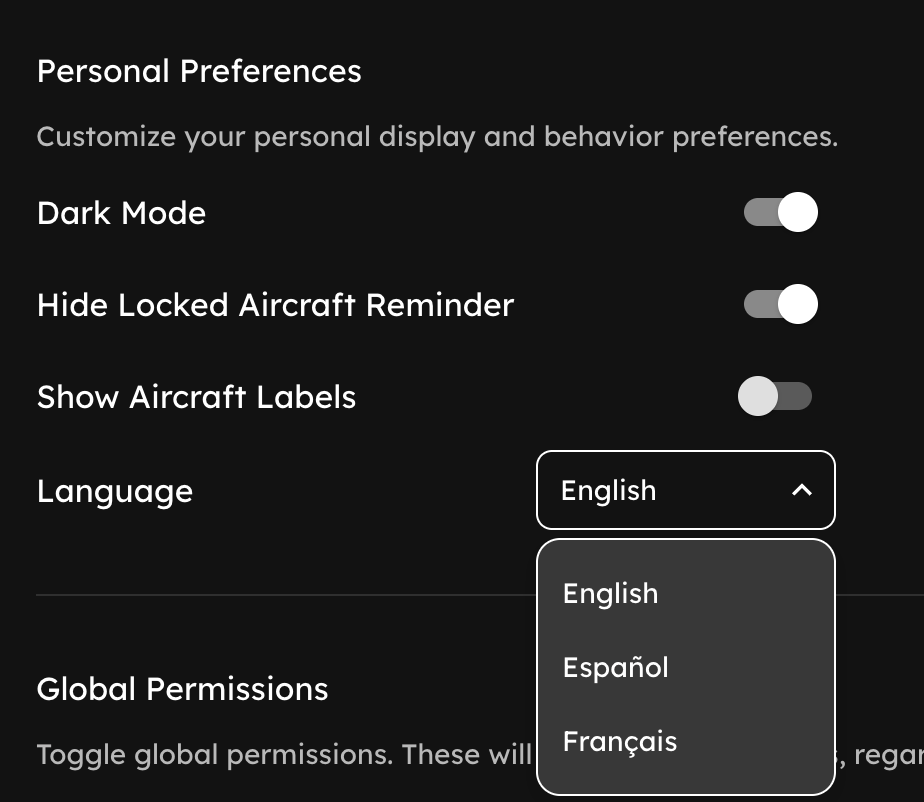 Each user gets their own login, their own preferences, their own audit trail—without per-seat fees
The distinction matters:
- Visibility should be unlimited. Everyone sees what's happening.
- Control should be intentional. Roles determine who can change what.
This is the difference between a line tech who can see where aircraft are parked and a line tech who can modify tenant agreements. Both need visibility. Only one needs edit access.
What Changes When Everyone Can See
When you remove the artificial barrier of seat licenses:
No more "who has access" conversations. New hire starts Monday? They're in the system Monday. No IT tickets, no license juggling, no waiting for the budget cycle.
No more shared logins. Everyone has their own account. Every action is attributable. Your audit trail actually means something.
No more side channels. Why text a screenshot when the line tech can just check the app? Why maintain a parallel whiteboard when the system is the source of truth?
No more peak-day blind spots. Your busiest days are when coordination matters most. That's exactly when you need everyone seeing the same information—not 4 people with licenses and 8 people guessing.
The system becomes ambient. It's just there, like the radios. Nobody thinks about who's "allowed" to use a radio.
Making the Switch
If you're currently running a per-seat system with workarounds, the transition doesn't have to be painful:
Week 1: Audit your workarounds. How many people actually need visibility vs. how many have licenses? Document the screenshot channels, shared logins, and parallel systems your team has built.
Week 2: Calculate the real cost. One avoided incident pays for years of software. Use our ROI calculator with your actual aircraft mix—most FBOs discover they're leaving significant money on the table through preventable coordination failures.
Week 3: Pilot with one shift. Get everyone on the same system for one busy weekend. Watch what changes when line techs can check positions directly instead of waiting for texts.
Week 4: Roll out fully. Decommission the workarounds. Kill the screenshot channels. Delete the parallel spreadsheets. One source of truth, accessible to everyone who needs it.
Why This Matters Now
Per-seat pricing made sense when software shipped in boxes. That model is declining because it doesn't align with how modern operations work.
For FBOs specifically, the question is simple: Does your software help coordinate your team, or does it create coordination barriers?
If the answer involves screenshots, shared logins, or "we only have 4 licenses," you're paying twice. Once for the software, and again for the workarounds—potentially in the form of a $250,000 incident that better visibility would have prevented.
Operational tools should scale with activity, not headcount. Everyone who touches the operation should see the same reality. That's not a pricing perk—it's the baseline requirement for software that actually works.
Want to see how unlimited visibility changes operations? Book a demo and we'll show you how AirPlx handles real-time coordination across your entire team—without license limits.
Sources & References
- Ground Accident Prevention Program - Flight Safety Foundation analysis showing $10B+ annual industry cost
- The Costs of Ground Damage - IBAC data on incident causes and repair costs
- IATA Ground Operations Safety - IDX data on communication as incident factor
- Ground and Ramp Safety Can Make or Break Operations - NBAA 2024 analysis
- Top 5 Access Controls for SOC 2 and ISO 27001 - Why shared accounts fail compliance audits
- Per-Seat Software Pricing Trends - Bain & Company SaaS pricing analysis
Explore More
Related Articles
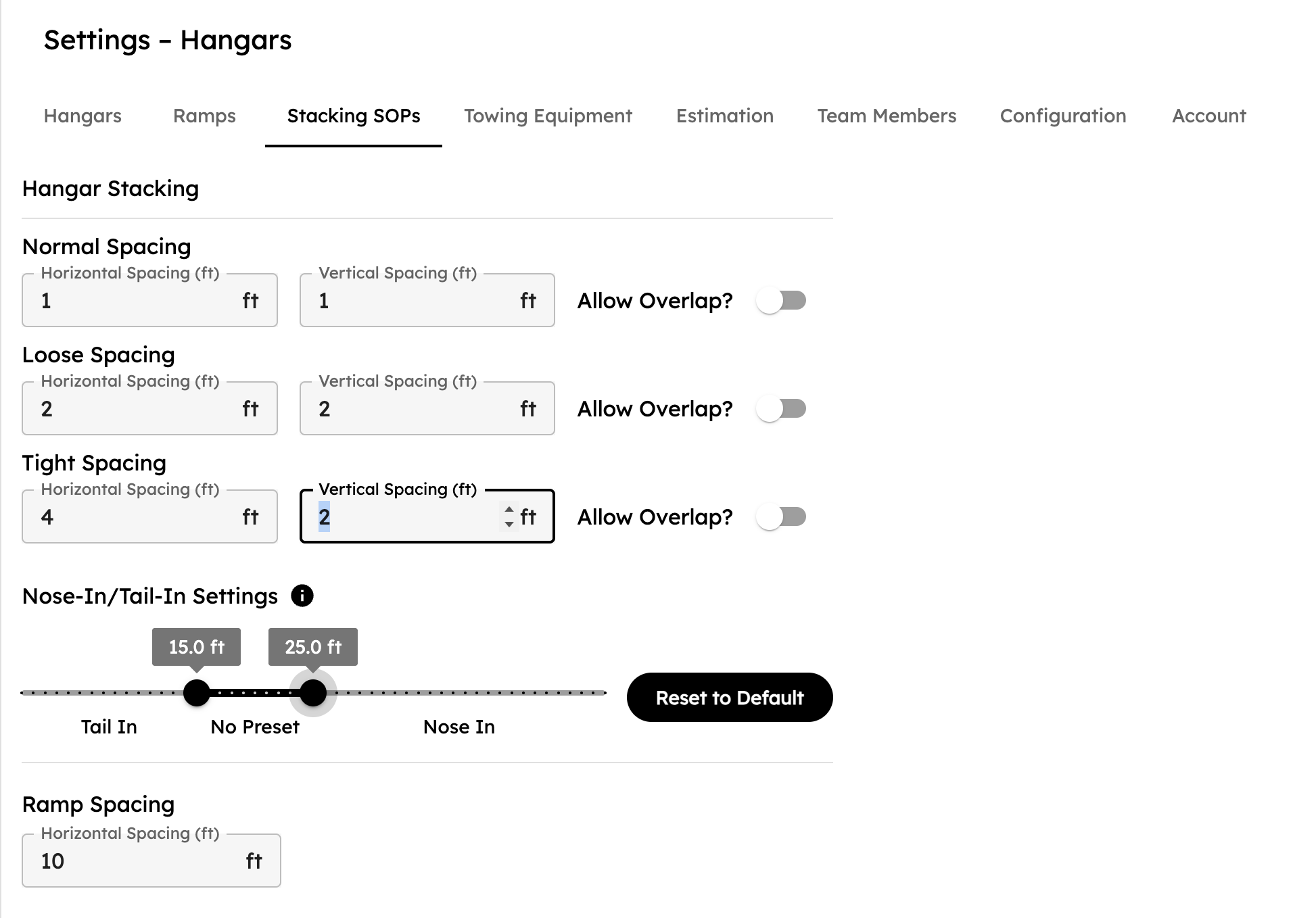
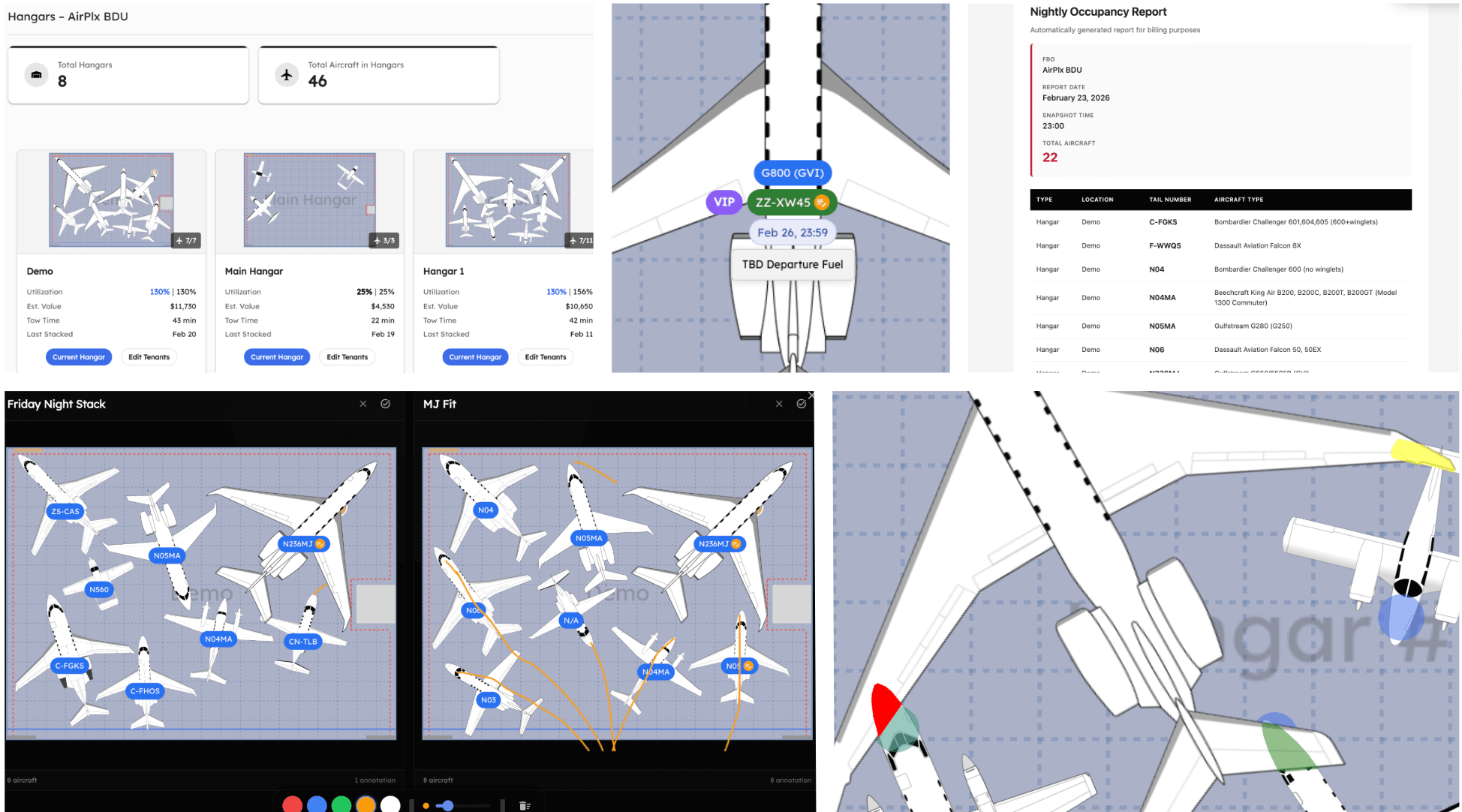
Start AutoStacking
See how AirPlx plans, parks, and predicts your ramp moves in one place
 Copyright 2024, AirPlx, Inc.